

Making the decision to separate from your partner: whether you’re married or cohabiting: is never easy. But taking the time to prepare properly, both legally and emotionally, can make the process smoother and help protect your future wellbeing. This guide walks you through the essential steps to get ready for separation in the UK, covering everything from gathering documents to building emotional resilience.
Why Preparation Matters in Separation
Rushing into separation without proper preparation can lead to costly mistakes, unnecessary stress, and outcomes that don’t serve your best interests. Whether you’re ending a marriage, civil partnership, or long-term cohabiting relationship, thoughtful preparation helps you:
- Protect your financial interests and legal rights
- Reduce conflict and stress during the process
- Make better decisions when emotions are running high
- Ensure your children’s wellbeing is prioritised
- Start your new chapter on solid footing
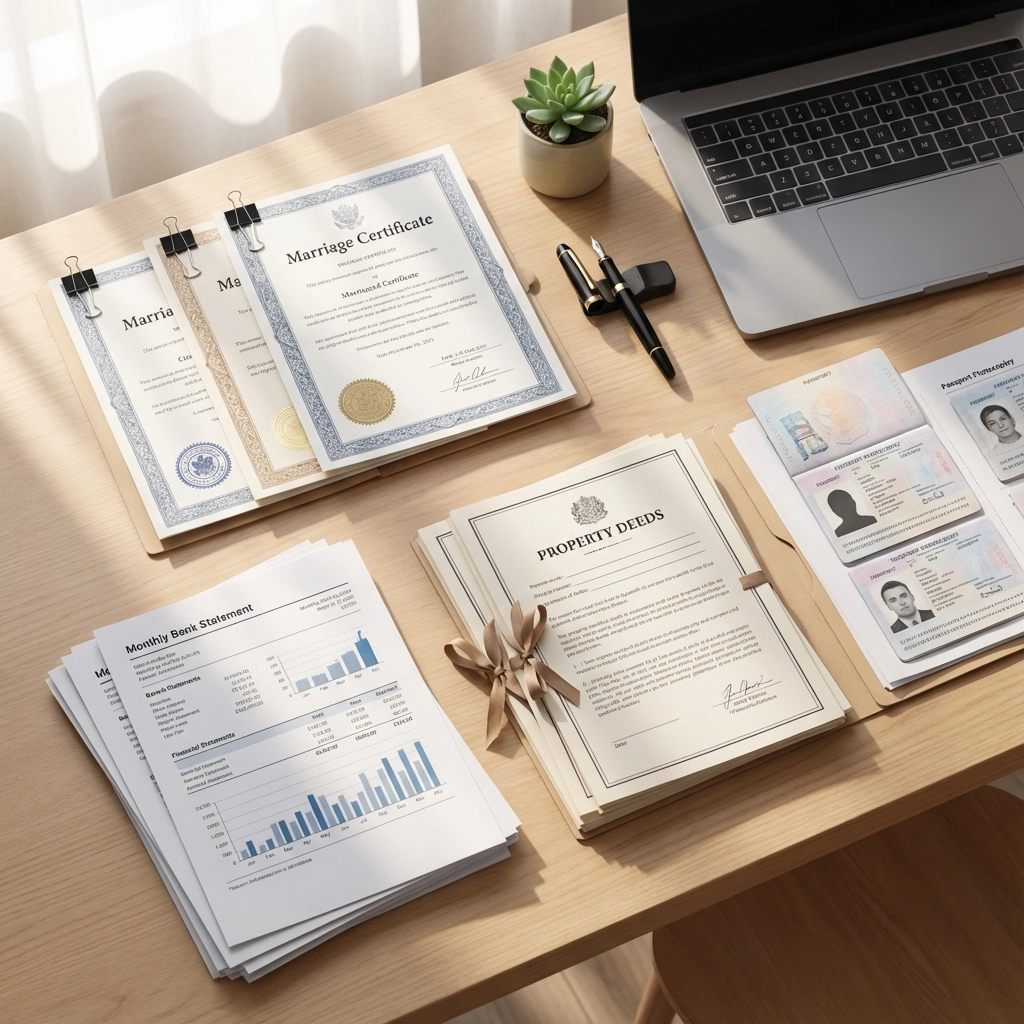
Getting Your Legal Ducks in a Row
Gather Essential Documents
Start by collecting all important paperwork you’ll need throughout the separation process. This includes:
Financial Documents:
- Bank statements (last 12 months for all accounts)
- Pay slips and employment contracts
- Tax returns and P60s
- Pension statements
- Investment and ISA statements
- Property deeds and mortgage statements
- Credit card statements and loan agreements
- Insurance policies
Personal Documents:
- Birth certificates (yours and children’s)
- Marriage certificate or civil partnership certificate
- Passport and driving licence copies
- Wills and any trust documents
Property and Asset Records:
- Property valuation documents
- Vehicle registration documents
- Receipts for valuable items (jewellery, art, electronics)
- Business ownership documents if applicable
Keep copies of everything and store them securely, ideally with a trusted friend or family member as backup.
Understand Your Legal Position
Your legal rights during separation depend on whether you’re married, in a civil partnership, or cohabiting.
For Married Couples and Civil Partners:
You have automatic rights to financial support, property division, and formal divorce processes. The law aims for fairness, considering factors like income, needs, and contributions to the relationship.
For Cohabiting Couples:
Your rights are more limited. There’s no automatic entitlement to your partner’s assets or income, even after years together. Property ownership typically follows whose name is on the deeds or agreements you’ve made.
Seek Early Legal Advice
Speaking to a family law solicitor early in the process is one of the smartest moves you can make. A good solicitor will help you:
- Understand your rights and options
- Develop a strategy that protects your interests
- Avoid making decisions that could harm your position later
- Navigate complex areas like pensions and business assets
Many people worry about the cost of legal advice, but early consultation often saves money in the long run by preventing expensive mistakes. At Judge Law, we offer clear, practical guidance tailored to your specific situation.
Financial Preparation Steps

Open Individual Bank Accounts
If you don’t already have accounts in your sole name, open them now. You’ll need financial independence during and after separation. Ensure any salary or benefits are redirected to your new account once you separate.
Understand Your Financial Picture
Create a complete overview of your financial situation:
Assets (what you own):
- Property values
- Bank account balances
- Investments and pensions
- Valuable possessions
- Business interests
Debts (what you owe):
- Mortgage balances
- Credit cards and loans
- Overdrafts
- Any guarantees you’ve given
Income and Expenses:
- Monthly income from all sources
- Regular monthly expenses
- One-off costs like holidays or car repairs
Protect Your Credit Rating
Separation can impact your credit score, especially if you have joint accounts or your partner doesn’t keep up with payments. Consider:
- Closing joint credit cards or removing your name
- Informing your bank about the separation
- Monitoring your credit report for any unusual activity
- Building your own credit history with accounts in your sole name
Plan for Immediate Financial Needs
Work out how much you’ll need to cover your living expenses during the separation process. This includes:
- Housing costs (rent, mortgage, utilities)
- Childcare and school expenses
- Transport and daily living costs
- Legal fees
Having a financial buffer reduces stress and gives you more options during negotiations.
Emotional Preparation and Wellbeing
Build Your Support Network
Separation can feel isolating, but you don’t have to go through it alone. Build a strong support network before you need it:
Professional Support:
- Counsellor or therapist experienced in relationship breakdown
- Family law solicitor
- Financial adviser
- GP for any health concerns
Personal Support:
- Close friends who can offer practical and emotional help
- Family members you trust
- Support groups for people going through separation
- Online communities and forums
Develop Healthy Coping Strategies
The emotional toll of separation is significant. Developing healthy coping mechanisms now will serve you well throughout the process:
- Regular exercise to manage stress and boost mood
- Mindfulness or meditation practices
- Journaling to process your thoughts and emotions
- Creative hobbies that give you a sense of achievement
- Maintaining routines that provide stability
Avoid unhealthy coping mechanisms like excessive drinking, overspending, or making impulsive decisions about your relationship or living situation.
Consider Therapy or Counselling
Professional counselling isn’t just for couples trying to save their relationship. Individual therapy can help you:
- Process the grief and loss that comes with relationship breakdown
- Develop better communication skills for dealing with your ex-partner
- Make clearer decisions when emotions are running high
- Build resilience for the challenges ahead
- Plan for your future with confidence
Some people also find family mediation helpful for working through practical arrangements more amicably.
Preparing for Co-Parenting

If you have children together, their wellbeing should be your top priority throughout the separation process.
Put Children First
- Keep adult problems separate from children’s lives
- Maintain consistent routines as much as possible
- Avoid speaking negatively about your partner in front of the children
- Consider how and when to tell the children about the separation
Think About Practical Arrangements
Start thinking about how you’ll handle:
- Where children will live and when they’ll see each parent
- School runs and activities
- Holidays and special occasions
- Financial support for the children
- Communication between households
Consider the Children’s Voices
Depending on their age, children may have preferences about living arrangements. While their wishes aren’t the only factor, they should be heard and considered.
Practical Day-to-Day Preparation
Secure Important Items
Make sure valuable or sentimental items are safe. This might mean:
- Moving important documents to a safe place
- Taking photos of valuable items for insurance purposes
- Ensuring children’s belongings are accessible to both parents
Plan Your Living Arrangements
Think about where you’ll live during and after the separation:
- Can one of you remain in the family home temporarily?
- Do you need to find alternative accommodation?
- How will this affect any children’s schooling and routines?
Update Important Records
Once you separate, you’ll need to update various records:
- Electoral roll registration
- Council tax arrangements
- Insurance policies
- Workplace HR records
- Children’s school emergency contacts
Getting Professional Help That’s Right for You
Every separation is unique, and the right approach depends on your specific circumstances. Some couples manage separation through mediation or collaborative law, while others need more traditional legal representation.
At Judge Law, our experienced family law team understands that separation is never just about legal technicalities: it’s about people’s lives and futures. We provide clear, practical advice while treating you with the compassion and respect you deserve during this difficult time.
Whether you need help understanding your rights, negotiating fair arrangements, or navigating complex financial matters, we’re here to support you through the process with expertise and understanding.
Taking the Next Step
Preparation doesn’t guarantee an easy separation, but it does put you in the best position to protect your interests and move forward with confidence. Remember, seeking help early: whether legal, emotional, or practical: is a sign of strength, not weakness.
If you’re thinking about separation and want to understand your options, we’re here to help. Contact Judge Law today for confidential, expert advice tailored to your situation. Taking that first step towards getting proper guidance can make all the difference in achieving a fair outcome and protecting your future.
The path through separation isn’t easy, but with proper preparation and the right support, you can navigate it successfully and start building the next chapter of your life.