Why making a will matters
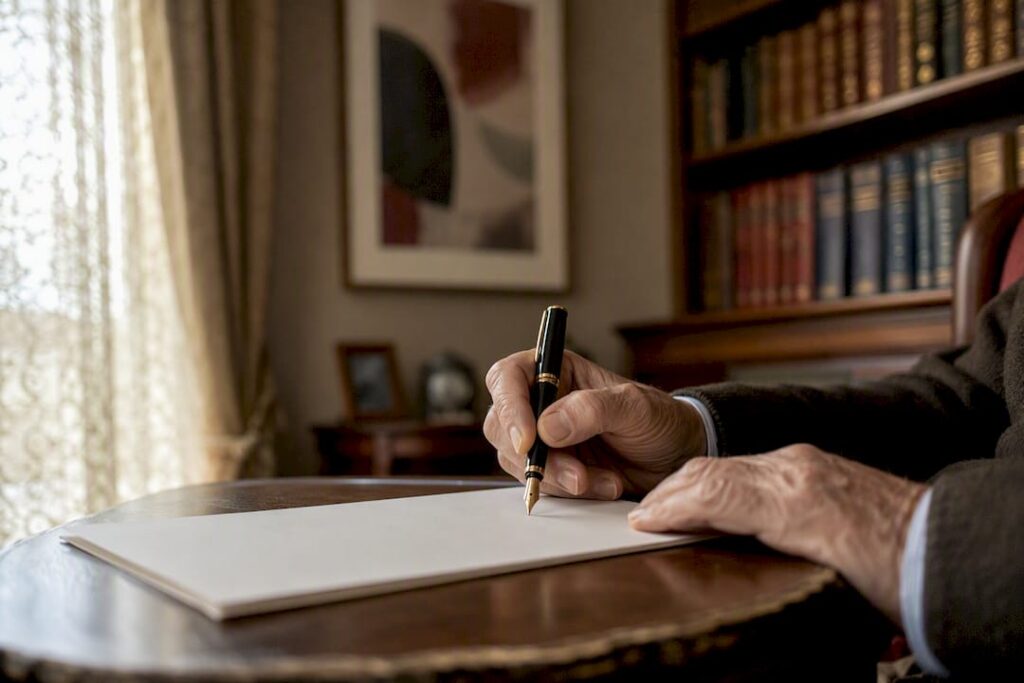
A will is the only way to be sure your wishes are followed after you die. It lets you choose who inherits, appoint guardians for children under 18, name the people who will handle your estate, and leave gifts to the people and causes you care about. Without a will, the intestacy rules decide who inherits, which may not reflect what you would have wanted and can leave unmarried partners and step-children with nothing.
Planning your estate for the future
Estate planning is about looking at the whole picture, your home, savings, pensions, business interests and family circumstances, and putting the right arrangements in place so your assets pass on smoothly and to the right people. Good planning can reduce delay, cost and uncertainty for your family, and give you real peace of mind now.
Inheritance tax and trusts
Depending on the size of your estate, inheritance tax may be due on what you leave behind. We explain how the current allowances apply to your situation and the lawful, sensible steps that can reduce the burden, such as making use of exemptions, structuring gifts, and where appropriate, using trusts to protect assets and provide for children or vulnerable relatives.
Lasting powers of attorney
A lasting power of attorney lets you appoint people you trust to make decisions for you if you lose the ability to make them yourself. There are two types, one for property and financial affairs and one for health and welfare. Putting them in place while you are well means your family can act for you without a lengthy court application later.
Probate and estate administration
When someone dies, their estate usually has to be dealt with formally before it can be shared out. That can mean applying for a grant of probate, valuing the estate, settling debts and tax, and distributing what remains. We can take on as much of this as you need, at a difficult time, and keep everything clear and on track.
When should you speak to a wills and estate planning solicitor?
It is worth taking advice whenever your circumstances change, when you marry or divorce, have children, buy a home, start a business, receive an inheritance, or simply want to put your affairs in order. Reviewing your will and plans every few years, or after a major life event, keeps them up to date and effective.