
Let’s be honest, when a relationship ends, deciding who gets the dog can feel just as emotionally charged as dividing the house or sorting out the finances. Your pet has been there through thick and thin, and the thought of losing them can be heartbreaking.
So, who gets the dog in a divorce? The answer isn’t always straightforward, but understanding how UK law treats pets during separation can help you prepare for what’s ahead.
Here are 10 things you really need to know.
1. In UK Law, Pets Are Classified as “Chattels”
This might be hard to hear, but in the eyes of the law, your beloved dog (or cat, rabbit, or parrot) is considered a “chattel”, which is legal speak for personal property. That puts them in the same category as your sofa, your car, or your television.
There’s no specific UK legislation that deals with pet custody. Instead, courts treat pet disputes as part of the wider financial settlement in divorce. It’s not the warmest approach, but it’s the current legal reality.
The good news? Courts are increasingly recognising the emotional significance of pets, and recent cases show judges are willing to consider welfare factors when making decisions.
2. Ownership Evidence Matters, But It’s Not Everything
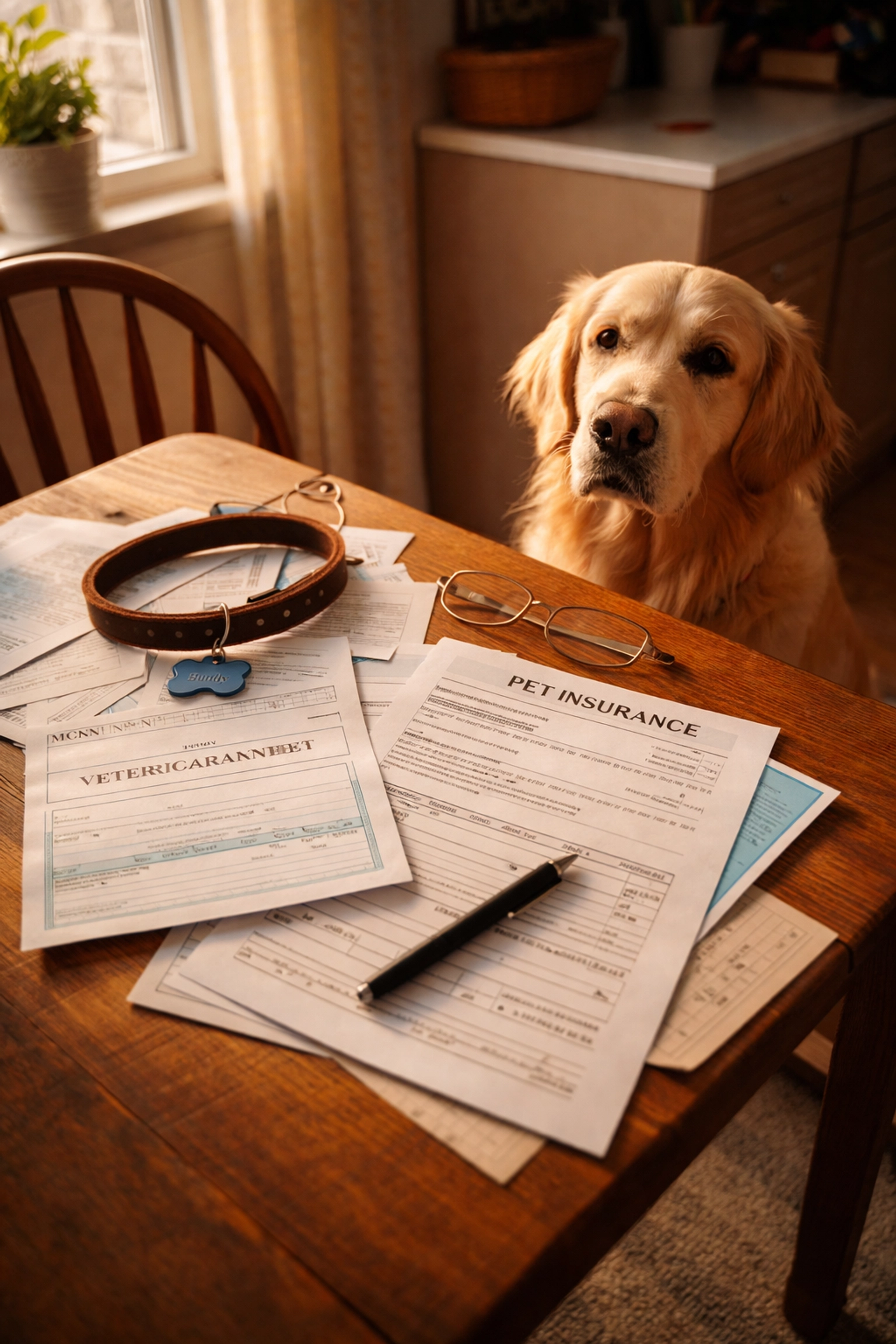
When figuring out who gets the dog in a divorce, courts will look at various forms of documentation:
- Microchip registration – whose name is on the chip?
- Kennel Club papers – who’s listed as the registered owner?
- Vet records – who’s named on the account?
- Insurance policies – who pays and who’s named?
- Purchase receipts – who actually bought the pet?
Here’s the important bit: no single piece of evidence is decisive. Courts look at the full picture, so even if your ex paid for the dog, that doesn’t automatically mean they’ll keep them.
3. The Primary Caregiver Often Has an Advantage
Who’s been walking the dog every morning? Who takes them to the vet? Who’s been sorting out the food, the grooming, and the training?
Courts increasingly consider who has been the pet’s primary caregiver. In a notable 2024 case (FI v DO), a golden retriever was awarded to the wife specifically because she had been the dog’s main carer for 18 months after the separation began. The judge made clear that pedigree papers and original ownership were far less important than the established care pattern.
If you’ve been the one putting in the day-to-day effort, that matters.
4. Your Children’s Bond With the Pet Is a Real Factor
If you have children, the court may consider the emotional bond between them and the family pet. Separating a child from their beloved dog can add unnecessary distress to an already difficult situation.
In practice, this often means the pet stays with the parent who has primary care of the children. It’s not a hard rule, but judges are increasingly mindful of the impact on kids.
If child arrangements are already being discussed as part of your separation, the pet question may naturally follow.
5. Pet-Nups Can Help Prevent Future Disputes
Yes, “pet-nups” are a real thing, and they’re becoming more popular.
A pet-nup is an agreement made before or during a relationship that sets out what happens to your pet if you separate. It can cover:
- Who keeps the pet
- How costs will be shared
- Whether there will be visiting arrangements
While pet-nups aren’t legally binding in the UK, courts are likely to uphold them if they’re fair and both parties entered into them freely. Getting independent legal advice when drafting one is always a smart move.

6. Mediation Is Often the Best Route
Going to court over a pet can be expensive, stressful, and time-consuming. That’s why family mediation is often the better option.
Under current Family Procedure Rules, couples are now required to consider non-court dispute resolution (NCDR) before heading to litigation. Mediation allows you and your ex to have an open conversation, with a neutral third party, about what’s best for everyone, including your pet.
Many couples find that sitting down together, away from the courtroom, leads to more creative and amicable solutions.
7. Ongoing Maintenance Costs Can Be Shared
Pets aren’t cheap. Vet bills, food, insurance, grooming, it all adds up. If you agree to share care of your pet, you might also agree to share the costs.
Courts can factor pet expenses into the overall financial settlement, but they won’t typically order ongoing “pet maintenance” payments in the same way they might for children. Any cost-sharing arrangement is usually something you’ll need to negotiate privately or through mediation.
Be realistic about what you can afford before agreeing to shared care.
8. The Court Will Consider the Pet’s Welfare
Here’s where things are shifting. While pets are still legally classified as property, judges are increasingly willing to consider what’s actually best for the animal.
That might include:
- Which party has a suitable living environment
- Who has the time and ability to care for the pet properly
- Whether either party has a history of neglect
This welfare-focused approach isn’t guaranteed, but it’s a positive sign that courts are moving towards a more compassionate view of pet disputes.

9. Shared Care Is Possible, But Courts Prefer a Clean Break
Can you share custody of a dog after divorce? Technically, yes. Courts can order joint ownership, with the pet splitting time between both households.
However, courts generally prefer a “clean break” between divorcing couples. Ongoing arrangements: whether financial or practical: can create friction and make it harder for both parties to move on.
If you do want shared care, it’s usually better to agree this privately rather than asking a court to impose it. Be prepared to cooperate and communicate, because shared pet arrangements only work when both people are committed.
It’s also worth noting that courts can only determine legal ownership. They can’t order specific access schedules or visiting rights for the non-owner.
10. Getting Legal Advice Early Makes a Real Difference
If you’re worried about who gets the dog in a divorce, the best thing you can do is get proper legal advice early. A solicitor can help you:
- Understand your legal position
- Gather the right evidence
- Explore mediation or negotiation
- Protect your interests if the matter goes to court
Every situation is different. What worked for someone else might not work for you. That’s why personalised advice from someone who understands family law is so valuable.
Moving Forward With Clarity
Divorce is difficult enough without the added stress of not knowing what will happen to your pet. While UK law still treats animals as property, the courts are becoming more understanding of the emotional ties we have with our furry friends.
Whether you’re hoping to keep your dog, share care, or simply want to know where you stand, getting the right support early can make all the difference.
Need help navigating pet arrangements or any other aspect of your divorce?
At Judge Law, we’re here to guide you through the process with clear, practical advice. Get in touch with our team to book a consultation and take the first step towards clarity.