

The dream of owning a brand-new home: spotless walls, modern appliances, and no previous owners: is incredibly appealing. In 2026, many developers offer incentives to attract buyers (the Help to Buy equity loan scheme closed to new applications in October 2022). But here’s what most people don’t realise: buying a new build property requires a completely different conveyancing approach than purchasing a resale home.
If you’re looking to instruct a conveyancing solicitor for your new build purchase, understanding these differences could save you thousands of pounds and prevent years of legal headaches.
TL;DR
- New build conveyancing involves extra checks on developer contracts, planning, Building Regulations, warranties and road adoption.
- Check that the NHBC or equivalent warranty is in place and properly assigned to you at completion.
- Off-plan contracts should include longstop dates and be clear about which specifications can change.
- Unadopted roads and estate management charges can mean ongoing costs, so review them before you commit.
Why New Build Conveyancing Is a Different Beast
Conveyancing
Get an instant conveyancing quote
See your fixed-fee legal costs and Stamp Duty on screen in about a minute, with the full breakdown emailed to you. No obligation.
When you buy a resale property, you’re essentially taking over something that already exists. The roads are adopted, the utilities are connected, and any structural issues have likely already surfaced. With new builds, you’re dealing with a property that may not even exist yet: and that creates a whole new layer of legal complexity.
Here’s what makes new build conveyancing uniquely challenging:
Builder Contracts vs. Standard Contracts: Developer contracts are typically weighted heavily in the builder’s favour. Unlike standard residential contracts where you might negotiate terms, new build contracts often come with strict timelines, limited negotiation room, and clauses that protect the developer far more than you.
Multiple Legal Checks: Your conveyancing solicitor needs to verify planning permissions, Building Regulations approval, structural warranties, road adoption agreements, and utility connections: none of which apply to resale properties.
Timing Uncertainties: Completion dates can slip by months. You need a solicitor who keeps track of your mortgage offer’s expiry date and can protect your interests if your developer delays handover.

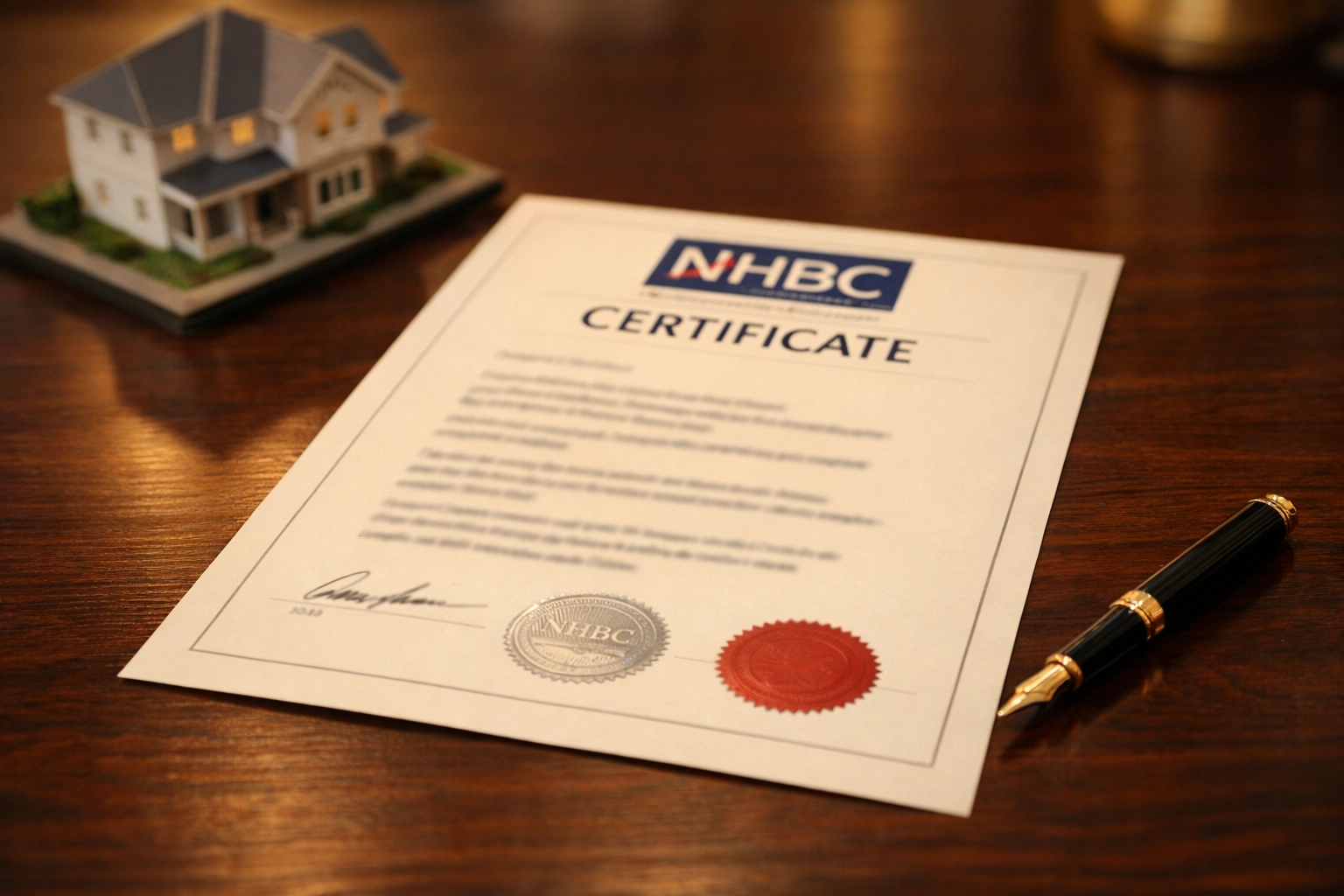
The NHBC Certificate: Your 10-Year Safety Net (If You Get It Right)
Most reputable developers offer an NHBC (National House Building Council) warranty or equivalent protection like LABC Warranty or Premier Guarantee. This isn’t just a nice-to-have: it’s your primary legal protection against structural defects for the next decade.
Here’s what these warranties typically cover:
| Coverage Period | What’s Protected | What’s Excluded |
|---|---|---|
| Year 1-2 | Builder’s defects, snagging issues | General wear and tear, cosmetic issues |
| Years 3-10 | Major structural defects (e.g., subsidence, roof collapse) | Non-structural repairs, maintenance items |
However, your conveyancing solicitor needs to verify several critical details:
- Is the certificate properly assigned to you at completion?
- Does it meet your lender’s requirements in the UK Finance Mortgage Lenders’ Handbook (which replaced the CML Handbook)?
- Are there any exclusions specific to your property type?
- What’s the claims process if something goes wrong?
A common mistake: Some buyers don’t realise their warranty hasn’t been properly registered until they try to sell years later: at which point it’s worthless. An experienced new build conveyancing solicitor in Windsor or London will catch this before you exchange contracts.
Off-Plan Purchases: The Double-Edged Sword
Buying off-plan (purchasing before the property is built) can offer significant financial advantages: developers often provide discounts or upgraded fixtures. But it also introduces substantial risks that don’t exist with resale properties.
What Your Solicitor Must Check:
- Reservation Agreements: These typically require a non-refundable deposit (often £1,000-£5,000). Your solicitor should negotiate conditions that allow you to withdraw if certain criteria aren’t met.
- Construction Timeline Clauses: What happens if completion is delayed by six months? A year? Your contract should include longstop dates that allow you to exit without penalty if the developer misses deadlines.
- Specification Changes: Developers may alter materials, layouts, or finishes during construction. Your contract must clearly state what can change and what’s guaranteed.
- Retention Funds: Some buyers negotiate to hold back part of the purchase price after completion until snagging issues are resolved. Many developers will not agree to this, but it can be worth asking.
Planning Permissions, Building Regulations, and Road Adoption: The Technical Minefield
This is where new build conveyancing gets seriously technical: and where DIY conveyancing or inexperienced solicitors can miss critical issues.
Planning Permission: Your solicitor must verify that the property has valid planning permission and that the build matches the approved plans. Sounds obvious, but developers sometimes make unapproved modifications. If planning wasn’t properly obtained, your property could technically be illegal, making it unsellable and unmortgageable.
Building Regulations Approval: This confirms the construction meets safety and structural standards. Your lender won’t mortgage a property without a Building Regulations Completion Certificate. If the developer hasn’t obtained this, you’re stuck.
Road Adoption Agreements (Section 38/Section 278): Here’s a problem that catches many new build buyers years later: the roads and pavements on new estates often aren’t adopted by the local council immediately. Until adoption happens, residents may be responsible for maintenance costs.
Your conveyancing solicitor needs to confirm:
- Is there a Section 38 agreement in place for road adoption?
- What’s the timeline for adoption?
- Who’s responsible for maintenance until then?
- Is there a management company, and what are the annual fees?
Section 106 Agreements: These developer obligations (affordable housing quotas, infrastructure contributions) can sometimes result in service charges or restrictions on your property. Your solicitor should identify any Section 106 obligations that might affect you.
Common New Build Pitfalls (And How Careful Conveyancing Prevents Them)
Existing Help to Buy Loans: The Help to Buy equity loan scheme closed to new applications on 31 October 2022. If you already have a Help to Buy equity loan and want to remortgage or sell, your conveyancing solicitor should explain how it is repaid, including how the government’s equity share is calculated (based on current market value, not your purchase price).
Estate Management Charges: Many new builds come with ongoing management charges for communal areas, even on freehold properties. These can increase annually and become a significant cost. Your solicitor must review management company terms before you commit.
Snagging Rights: You have legal rights to report defects within the warranty period, but only if properly documented. Your conveyancing solicitor should ensure your contract includes clear snagging procedures and timelines.
Leasehold Ground Rent Scandals: Under the Leasehold Reform (Ground Rent) Act 2022, most new long residential leases of houses and flats granted on or after 30 June 2022 are limited to a peppercorn ground rent (essentially £0). Older leases, and some exempt leases, can still carry ground rent. Your first-time buyer solicitor needs to verify lease terms comply with current legislation.
Why You Need a Specialist New Build Conveyancing Solicitor
Standard residential conveyancing solicitors may not have the specific expertise required for new builds. Mortgage lenders also have specific requirements for new build properties, set out in the UK Finance Mortgage Lenders’ Handbook, such as acceptable new home warranties and the developer’s disclosure of incentives form.
What an experienced new build conveyancing solicitor in London or Windsor provides:
- Developer Contract Negotiation: While developers claim contracts are non-negotiable, experienced solicitors know which terms can be modified and how to protect your interests.
- Technical Due Diligence: Reviewing planning permissions, Building Regulations, structural warranties, and adoption agreements requires specialist knowledge.
- Lender Coordination: If completion is delayed, your mortgage offer may need extending. Your solicitor coordinates with your lender on timing and its new build requirements.
- Post-Completion Protection: Ensuring warranties are properly assigned, snagging processes are clear, and you have legal recourse if things go wrong.

Frequently asked questions
How is new build conveyancing different from buying a resale home?
There are extra checks on the developer contract, planning permission, Building Regulations approval, structural warranties, road adoption agreements and utility connections, none of which apply in the same way to resale properties.
What does an NHBC warranty cover?
In years 1 to 2 it typically covers builder’s defects and snagging issues, and in years 3 to 10 major structural defects. Your solicitor should check that the certificate is properly assigned to you at completion.
Is a new build reservation fee refundable?
Reservation agreements typically require a non-refundable deposit, often £1,000 to £5,000. Your solicitor should try to negotiate conditions that let you withdraw if certain criteria are not met.
What happens if the developer delays completion?
Your contract should include longstop dates that allow you to exit without penalty if the developer misses deadlines.
Who pays to maintain the roads on a new estate?
Roads and pavements on new estates are often not adopted by the council straight away. Until adoption, residents may be responsible for maintenance costs, so check for a Section 38 agreement and any management company fees.
How Judge Law’s Conveyancing Team Can Help
At Judge Law, our conveyancing solicitors in Windsor and London act on new build purchases. We understand the 2026 market, from the end of Help to Buy to changing leasehold legislation, and how these affect your purchase.
Our new build conveyancing service includes:
✓ Comprehensive developer contract review and negotiation
✓ NHBC/warranty verification and assignment
✓ Planning permission and Building Regulations checks
✓ Road adoption agreement review
✓ Section 106 agreement analysis
✓ Management company and service charge assessment
✓ Snagging and retention fund negotiation
✓ Post-completion support for warranty claims
Whether you’re a first-time buyer or an experienced investor purchasing off-plan, our team provides the reassuring guidance you need to navigate new build conveyancing confidently.
The Bottom Line
New build properties offer fantastic opportunities: energy efficiency, modern design, and that new-home feeling. But the conveyancing process is measurably more complex than resale purchases. The legal checks are more technical, the contracts more one-sided, and the potential pitfalls more costly if missed.
In 2026’s competitive property market, having a conveyancing solicitor on your side isn’t just advisable: it’s essential protection for potentially the biggest investment of your life.
If you’re considering a new build purchase in London, Windsor, or surrounding areas, contact Judge Law’s conveyancing team for a consultation. We’ll review your specific situation, explain the unique considerations for your property, and provide transparent fixed-fee pricing so there are no surprises.
Ready to instruct a conveyancing solicitor who understands new builds? Contact Judge Law today for guidance throughout your purchase. Our team is here to make your new build journey as smooth and secure as possible.