
If you run a business in Windsor, London, or anywhere else in the UK, you’ve probably noticed the conversation around workplace mental health getting louder. And in 2026, that conversation has become a legal requirement.
Gone are the days when supporting employee wellbeing was simply “nice to have.” This year marks a significant shift in how UK employment law treats mental health at work. For business owners and HR managers, understanding these new employer mental health obligations 2026 isn’t just about being a good employer: it’s about staying compliant and avoiding costly grievances.
The good news? With the right approach, these changes can actually strengthen your team and protect your business. Let’s break down what you need to know.
The Rise of Mental Health as a Legal Priority
Mental health has been climbing the agenda for years now. But 2026 feels different. Post-pandemic working patterns, the cost of living pressures, and increased awareness have all combined to push mental health firmly into the legal spotlight.
Employment tribunals are seeing more claims where mental health plays a central role. Whether it’s unfair dismissal cases involving employees with depression, discrimination claims based on anxiety disorders, or grievances about workplace stress, judges are taking these matters seriously.

The UK government has responded with clearer guidance and, in some cases, new statutory duties. Mental health conditions: including anxiety, depression, PTSD, and bipolar disorder: are increasingly recognised as disabilities under the Equality Act 2010. This means employers have a duty to make reasonable adjustments, just as they would for physical disabilities.
For businesses in our local area, this shift means reviewing your policies and practices now, rather than waiting for a problem to arise.
New Statutory Duties: Beyond “Best Practice”
So what’s actually changed in 2026?
The most significant development is the move from voluntary guidelines to enforceable obligations. Here’s what employers need to be aware of:
Reasonable Adjustments Are Non-Negotiable
If an employee’s mental health condition meets the definition of a disability (a condition that has a substantial, long-term effect on their ability to carry out normal day-to-day activities), you must consider reasonable adjustments. This might include:
- Flexible working hours
- Adjusted workloads during difficult periods
- Quiet spaces for work
- Phased returns after absence
- Regular check-ins with a manager
Failing to make these adjustments: or dismissing someone without exploring them: can lead to discrimination claims.
Health and Safety Obligations Have Expanded
The Health and Safety at Work Act 1974 has always required employers to protect employees from harm. In 2026, regulators are making it crystal clear that this includes psychological harm. Risk assessments must now explicitly address workplace stress, and employers can face enforcement action if they ignore mental health hazards.
Mental Health Parity in Benefits
If you offer private health insurance or employee assistance programmes, check that mental health support is on par with physical health support. Regulators are increasingly focused on ensuring parity, and employees are more aware of their entitlements than ever before.

Training Is No Longer Optional
Managers and HR teams need proper training to recognise when an employee might be struggling and to understand their legal obligations. A well-meaning but untrained manager can inadvertently expose your business to tribunal claims by saying the wrong thing or failing to act.
Identifying Workplace Stress: Prevention Over Cure
One of the most practical steps you can take as an employer is getting better at spotting the early signs of stress and burnout. By the time an employee raises a formal grievance, the situation has usually escalated significantly. Prevention is always easier: and cheaper: than dealing with disputes.
Here are some warning signs to watch for:
- Changes in behaviour: Withdrawal from colleagues, irritability, or uncharacteristic mistakes
- Increased absence: Frequent short-term sickness, particularly on Mondays or Fridays
- Declining performance: Missed deadlines or reduced quality of work
- Physical symptoms: Employees mentioning headaches, fatigue, or difficulty sleeping
- Workload complaints: Staff expressing they feel overwhelmed or unsupported
Creating a culture where employees feel safe to speak up is essential. This doesn’t happen overnight: it requires consistent effort from leadership.
Regular one-to-ones, anonymous feedback channels, and visible support from senior management all contribute to building that psychological safety. When employees trust that raising a concern won’t harm their career, problems get addressed before they become grievances.
Creating a Compliant Mental Health Policy
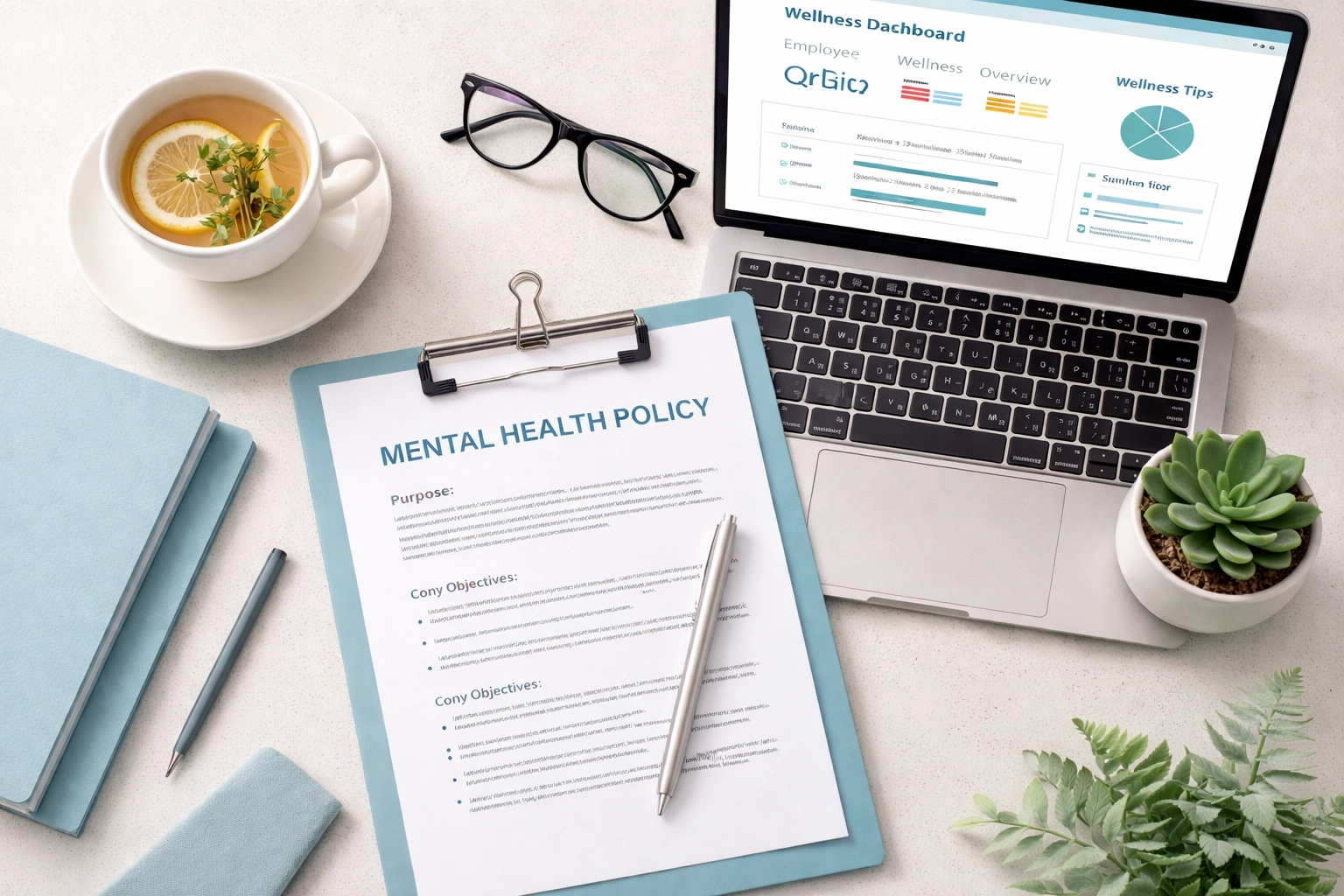
Every business should have a written mental health policy in 2026. If you don’t have one yet, now is the time to create it. If you do have one, it’s worth reviewing to make sure it’s still fit for purpose.
A good mental health policy should include:
Clear Definitions and Scope
Explain what the policy covers, including stress, anxiety, depression, and other mental health conditions. Make it clear that the policy applies to all employees, regardless of their role or seniority.
Commitment from Leadership
Include a statement from senior management demonstrating that mental health is taken seriously at every level of the organisation.
Procedures for Support
Outline how employees can access support, whether that’s through an Employee Assistance Programme, occupational health services, or direct conversations with their manager or HR.
Reasonable Adjustments Process
Describe how employees can request adjustments and how these requests will be handled fairly and promptly.
Confidentiality Assurances
Reassure employees that any mental health information they share will be treated confidentially and only shared on a need-to-know basis.
Training Commitments
Confirm that managers will receive training on mental health awareness and their legal responsibilities.
Review Schedule
Commit to reviewing the policy annually: or sooner if legislation changes.
Having a robust policy isn’t just about compliance. It demonstrates to employees, clients, and partners that your business takes its responsibilities seriously. In competitive industries, this can actually become a selling point for recruitment and retention.
How Judge Law Supports Local Businesses
We understand that keeping up with employment law changes can feel overwhelming, especially when you’re focused on running your business day-to-day.
At Judge Law, we work with businesses across Windsor, London, and the surrounding areas to ensure they stay compliant and protected. Our commercial law team regularly supports clients with:
- Policy reviews and updates: We can review your existing mental health policy (or help you create one from scratch) to ensure it meets 2026 requirements.
- Employment contract audits: Making sure your contracts reflect current legal obligations.
- Manager training guidance: Advising on what training your team needs and how to implement it.
- Dispute resolution: If a grievance or tribunal claim does arise, we’re here to guide you through the process and protect your interests.
Employment law can be complex, but you don’t have to navigate it alone. A proactive approach now can save significant time, stress, and expense down the line.
Take Action Before Problems Arise
The new employer mental health obligations 2026 represent a real shift in how businesses must operate. But rather than seeing this as a burden, try to view it as an opportunity. A workplace that genuinely supports mental health is one where people want to work: and that benefits everyone.
If you’re unsure whether your current policies and practices are up to scratch, now is the perfect time to find out.
Get in touch with Judge Law today for a confidential policy review. Our friendly team can assess where you stand, identify any gaps, and help you put the right protections in place: for your employees and your business.
Because when it comes to mental health at work, getting it right isn’t just the legal thing to do. It’s the right thing to do.