

When you think about your estate, you probably picture the house, the car, maybe some jewellery or savings accounts. But what about the Bitcoin wallet with £30,000 sitting in it? The Instagram account with 50,000 followers? The Canva subscription your family photos are locked behind? In 2026, your digital life might be worth more than your physical one, and most wills don’t even mention it.
This isn’t just a tech problem. It’s a legal minefield that leaves families locked out of valuable assets, struggling with grief whilst simultaneously battling password-protected accounts and faceless tech companies. At Judge Law, we’re seeing more clients ask the question: “What happens to my digital stuff when I’m gone?”
Let’s sort it out.
What Actually Counts as a Digital Asset in 2026?
The term “digital assets” sounds vague, but it covers a surprisingly wide range of property. Here’s what we’re talking about:
Financial Digital Assets:
- Cryptocurrency holdings (Bitcoin, Ethereum, and the 15,000+ altcoins out there)
- NFTs and other blockchain-based collectibles
- Online investment accounts (Trading 212, eToro, Revolut)
- PayPal balances and digital wallets
- Reward points and airmiles (yes, really: they can be worth thousands)

Personal and Creative Digital Assets:
- Social media accounts (Instagram, LinkedIn, TikTok)
- Email accounts containing years of correspondence
- Cloud storage (Google Drive, Dropbox, iCloud) with photos, documents, and videos
- Domain names and websites
- AI-generated content with ongoing royalties (a growing 2026 trend)
- Blogs, YouTube channels, or podcast archives
Subscription-Based Assets:
- Netflix, Spotify, and other entertainment subscriptions
- SaaS tools (Adobe Creative Cloud, Microsoft 365)
- Smart home devices and their associated data (Ring doorbells, Alexa devices)
- Gaming accounts with in-game purchases or rare skins
If you’ve paid for it, created it, or earned value from it online, it’s a digital asset. And without a proper will that accounts for these, your family might never access them.
Why Most Wills Ignore Digital Assets (And Why That’s a Problem)
Here’s the uncomfortable truth: most estate plans written before 2024 don’t mention digital property at all. Solicitors who trained decades ago weren’t taught to think about Instagram passwords or crypto wallets. The law itself is still catching up.
But the consequences of this omission are very real:
1. Legal Authority Gaps
Without explicit authorisation in your will, your executor has no legal right to access your digital accounts. Tech companies won’t hand over passwords to grieving relatives: even if they can prove they’re next of kin. Apple, Google, and Facebook all have strict policies about account access after death, and they won’t budge without proper legal documentation.
2. Lost Cryptocurrency
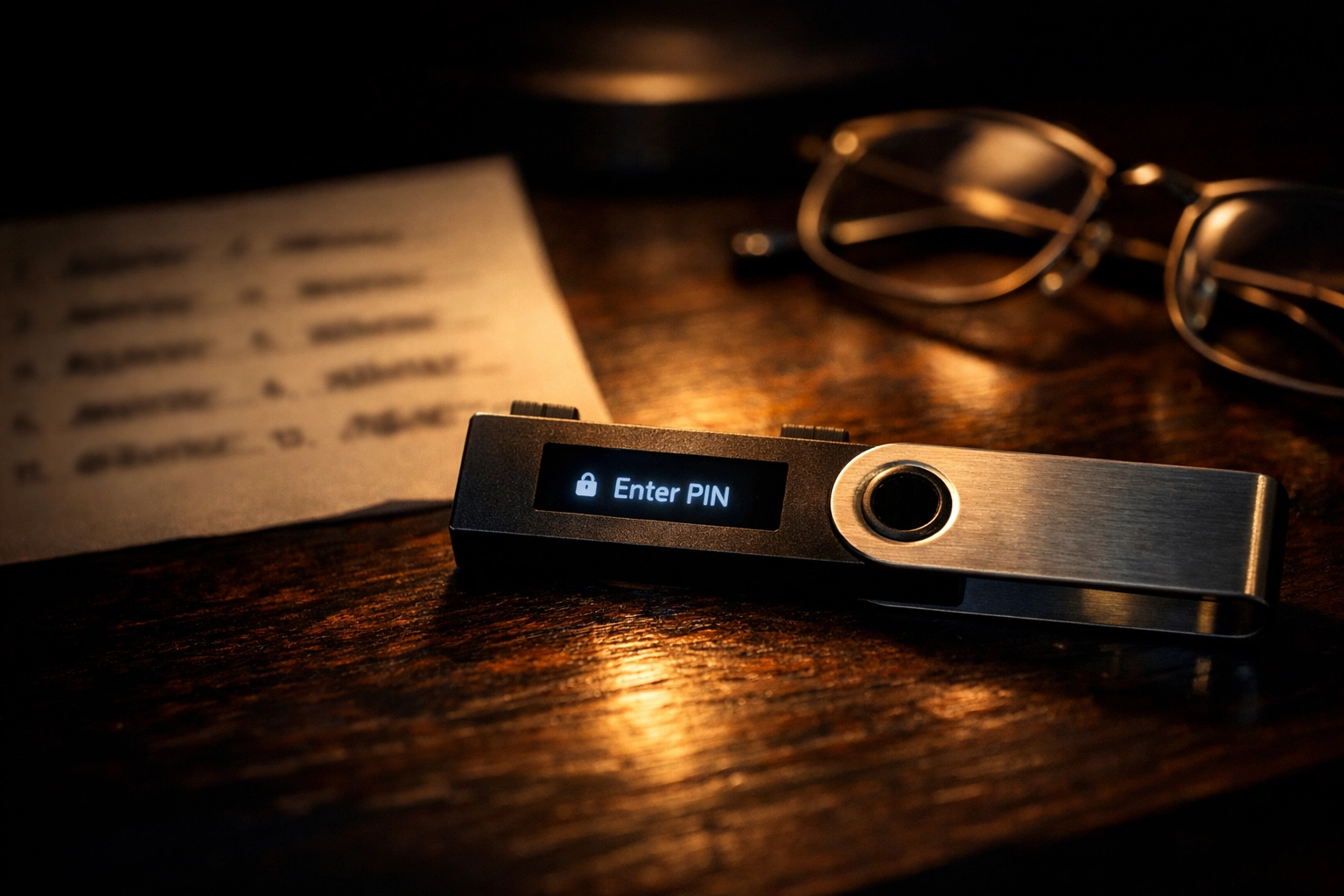
This is the big one. If you die without documenting where your seed phrases or private keys are stored, that crypto is gone. Forever. Your family can’t “reset the password.” There’s no customer service department. Without those 12 or 24 random words, tens of thousands of pounds can vanish into the blockchain.
3. Deleted Accounts
Many platforms have auto-deletion policies. If an account sits inactive for too long, it gets wiped. All those photos on Google Photos? The decade of emails? The family tree research? Gone.
4. Unintended Privacy Violations
On the flip side, some digital assets contain deeply private information. Without clear instructions, an executor might accidentally share embarrassing or sensitive data whilst trying to wind up your estate. This is particularly relevant for medical records stored in apps, private messages, or dating profiles.
What Your 2026 Will Should Actually Include
A proper digital asset clause isn’t complicated, but it needs to be specific. Here’s what our team at Judge Law recommends including:
Explicit Legal Authorisation
Your will should contain clear language giving your executor (and any digital executor you appoint) the legal authority to access, manage, and distribute your digital property. This needs to reference the Computer Misuse Act 1990 to ensure compliance with UK law.
Account-by-Account Instructions
Don’t just say “deal with my digital stuff.” Be specific:
- Social Media: Do you want accounts memorialised, deleted, or transferred?
- Email: Should it be archived for a period, or wiped immediately?
- Subscriptions: Which ones should be cancelled, and which might benefit your family?
- Cryptocurrency: Where are the seed phrases stored? (More on this in a moment.)
A Secure Digital Inventory
Create a separate, password-protected document listing all your digital accounts, usernames, and access instructions. Do not put actual passwords in your will: wills become public documents during probate. Instead, store login credentials in a secure password manager (like 1Password or Bitwarden) and tell your executor how to access it.
Crypto-Specific Planning
If you hold cryptocurrency or NFTs, your will needs extra detail:
- Where are hardware wallets stored physically?
- Where are seed phrases written down or stored?
- Are there tax implications your executor needs to know about?
- Should holdings be sold immediately or transferred in-kind?
Designate a Digital Executor
Your traditional executor might be brilliant with paperwork but clueless about blockchain. Consider appointing a separate “digital executor”: someone tech-savvy who can handle the more complex online assets whilst working alongside your main executor.
AI-Generated Content Provisions
This is brand new for 2026. If you’ve been using tools like ChatGPT, MidJourney, or other AI platforms to create content that generates ongoing income (e.g., a YouTube channel, a digital product business, or licensed artwork), specify how those royalties or earnings should flow to your beneficiaries.
The UK Legal Framework (And Why It Matters)
Unlike the US, the UK doesn’t have a single “digital assets act,” but we do have legal precedents building around data protection, intellectual property, and the Computer Misuse Act. Recent case law suggests that courts will respect explicit testamentary directions about digital property: but only if they’re clearly written into your will.
The key is that your will needs to explicitly override the default terms of service agreements you clicked “I agree” to when signing up for platforms. Many of those agreements say your account is “non-transferable,” but a well-drafted will can give your executor the legal standing to challenge that.
At Judge Law, we stay current with these evolving rules and draft wills and estate plans that reflect 2026 realities: not outdated assumptions from a pre-digital world.
What Happens If You Don’t Act?
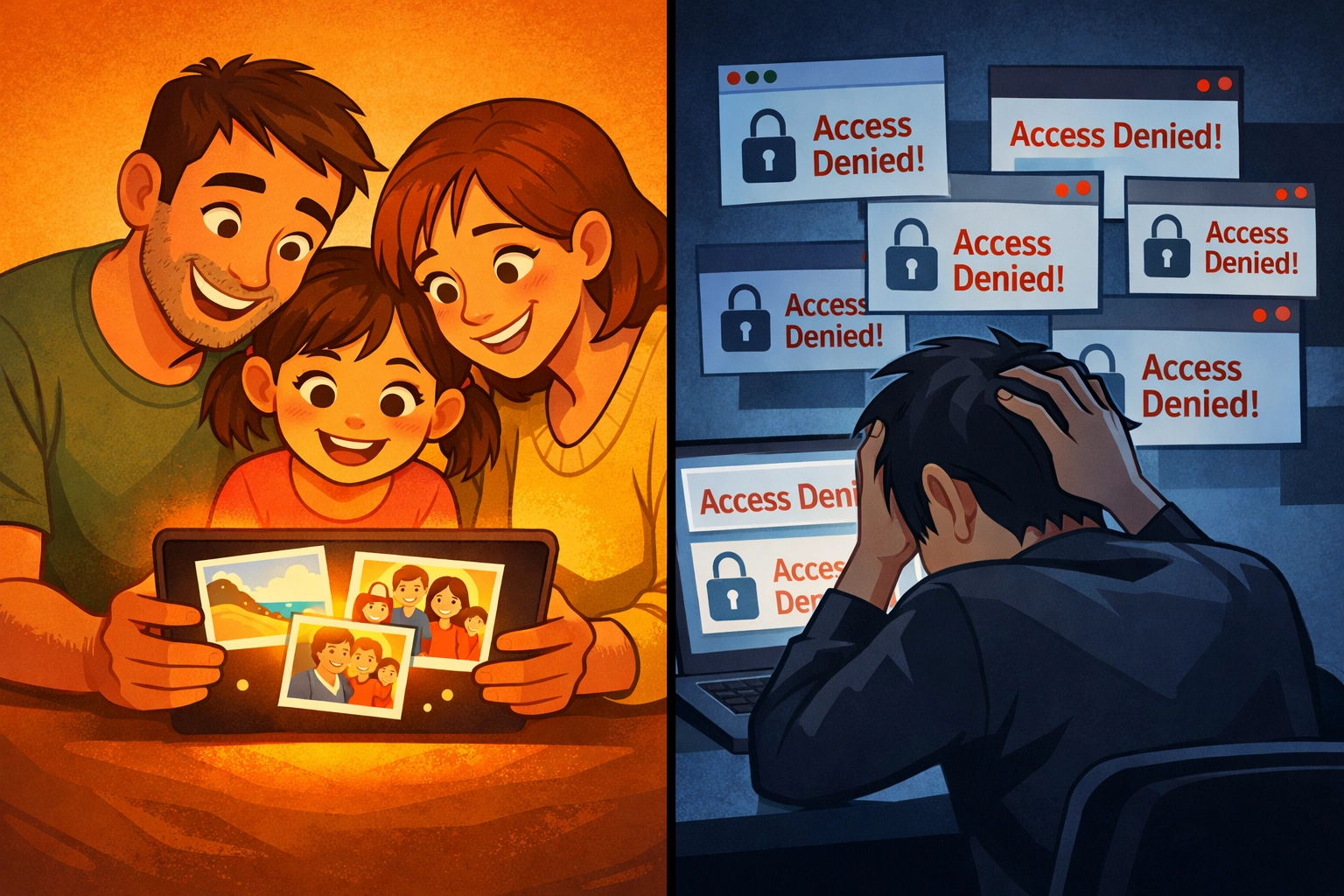
Let’s be blunt: if you die without a digital asset clause in your will, your family faces a mess. They’ll spend months (sometimes years) trying to gain access to accounts, fighting with tech companies, and potentially losing thousands of pounds in the process.
And it’s not just the financial loss. It’s the emotional toll of not being able to access a deceased parent’s photo library, or watching a loved one’s social media account get hacked because no one could close it properly.
Getting It Right: Next Steps
Here’s the good news: sorting this doesn’t have to be overwhelming. Start with these three actions:
- Make a list. Sit down and write out every digital account, subscription, and asset you own. Include cryptocurrency, social media, email, cloud storage: everything.
- Secure your access details. Use a reputable password manager and make sure a trusted person knows how to access it if something happens to you.
- Talk to a solicitor who gets it. Not all legal professionals are up to speed on digital estate planning. You need someone who understands both the law and the technology.
At Judge Law, we specialise in forward-thinking estate planning that accounts for the modern digital landscape. Whether you’re a crypto investor, a content creator, or just someone with a lifetime of memories stored in the cloud, we’ll make sure your digital legacy is protected.
Because in 2026, your digital ghost deserves the same legal protection as everything else you’ve worked for.
Ready to update your will? Get in touch with our team to discuss how we can help secure your digital estate for the people you care about most.