Buying commercial property is a significant investment that requires careful legal planning and expert guidance. The legal process is more detailed than residential conveyancing and involves complex considerations that can affect your business for years to come.
Understanding each stage of the process helps you make informed decisions and avoid costly mistakes. A commercial property solicitor manages the legal risks, investigates the property thoroughly, and ensures the transaction supports your business objectives. This type of specialist advice forms part of Judge Law's broader Commercial Law services, ensuring businesses receive comprehensive legal support throughout major transactions.
The Four Main Stages of Buying Commercial Property
Heads of Terms
The commercial property buying process typically begins with heads of terms. These outline the agreed commercial terms between buyer and seller, including the purchase price, completion date, and any key conditions.
While heads of terms are usually marked "subject to contract" and therefore not legally binding, they are crucial because they:
- Set the framework for the formal contract
- Identify key issues early in the process
- Help both parties understand what has been agreed
- Form the basis for instructing solicitors
Getting the heads of terms right from the start can prevent misunderstandings and disputes later in the transaction.

Legal Due Diligence
Once heads of terms are agreed, your solicitor begins comprehensive legal due diligence. This involves investigating every aspect of the property to identify potential risks and liabilities.
Title Investigation
Your solicitor will examine the property's title documents to confirm:
- The seller has good legal title to sell
- There are no undisclosed charges or restrictions
- Rights of way and easements are properly documented
- Any leases affecting the property are valid and enforceable
Planning and Environmental Searches
Commercial property purchases require detailed searches to uncover:
- Current planning permissions and any restrictions
- Environmental issues that could affect use or value
- Building regulations compliance
- Local authority notices or enforcement actions
Financial and Commercial Review
Where the property produces rental income, due diligence includes:
- Reviewing existing lease agreements
- Checking rental collection records
- Analysing service charge arrangements
- Verifying tenant covenant strength
This thorough investigation protects you from inheriting unexpected problems or liabilities.
Contract Negotiation and Documentation
After due diligence identifies any issues, your solicitor negotiates the contract terms to protect your position. This is where understanding what a commercial property solicitor does becomes particularly valuable, as the solicitor's role extends far beyond basic conveyancing to include strategic commercial advice.
Key Contract Terms
The contract will address:
- Completion arrangements and timing
- What happens if due diligence reveals problems
- Risk allocation between buyer and seller
- Warranties and indemnities
- Conditions that must be satisfied before completion
Special Conditions
Commercial contracts often include specific conditions such as:
- Obtaining necessary licenses or permits
- Securing planning permissions for intended use
- Tenant consent to assignment where required
- Satisfaction of lending requirements
Your solicitor ensures these conditions are properly drafted and achievable within the agreed timeframe.

Exchange and Completion
Exchange of contracts makes the transaction legally binding. Both parties are then committed to proceeding, with significant financial penalties for backing out without justification.
The period between exchange and completion allows time for:
- Final searches and enquiries
- Arranging insurance from the completion date
- Coordinating with lenders and other parties
- Preparing completion documentation
At completion, ownership transfers to the buyer, funds are released, and the property is registered in the buyer's name at the Land Registry.
Common Legal Issues in Commercial Property Purchases
Existing Tenancies
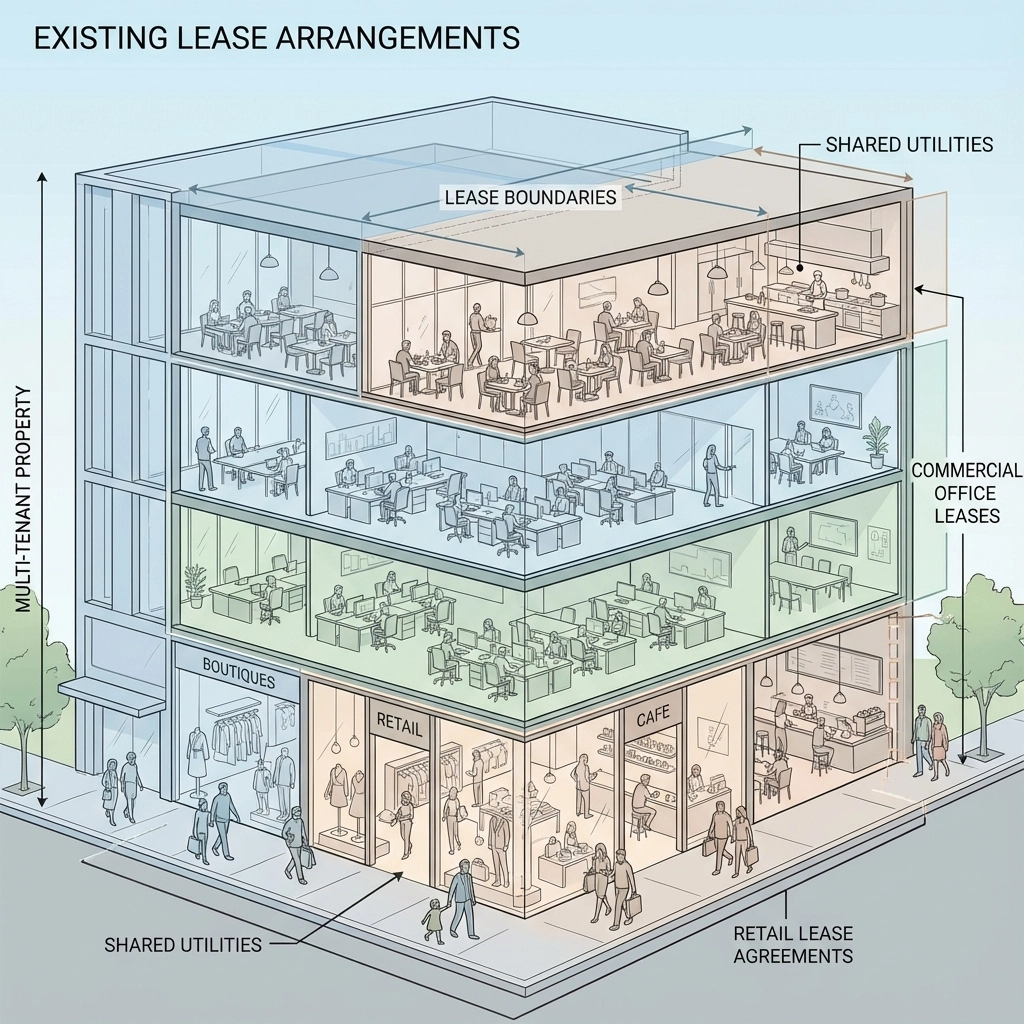
Commercial properties often come with existing tenants. Key considerations include:
- Whether leases are properly documented and enforceable
- Rent review and break clause provisions
- Repairing obligations and service charge arrangements
- Security of tenure rights under the Landlord and Tenant Act 1954
Understanding tenant rights and obligations is crucial as they transfer to you as the new owner.
Planning and Use Rights
Commercial property value depends heavily on what you can legally do with it. Issues to investigate include:
- Current planning use class and any restrictions
- Whether your intended business use is permitted
- Any planning conditions or section 106 agreements
- Building regulations compliance for any alterations
Planning problems discovered after completion can be expensive to resolve and may prevent you using the property as intended.
Environmental Concerns
Environmental liabilities can create significant ongoing costs. Due diligence should investigate:
- Historical use of the property and surrounding area
- Contamination risks and remediation requirements
- Environmental permits or licenses needed
- Compliance with environmental regulations
Environmental issues are often not immediately obvious but can create substantial future liabilities.
VAT and Tax Implications
Commercial property transactions can involve complex tax considerations:
- Whether VAT applies to the purchase price
- Capital allowances for qualifying fixtures and fittings
- Stamp duty land tax calculations and reliefs
- Corporation tax implications for company buyers
Early tax advice helps structure the transaction efficiently and avoid unexpected costs.
Why Commercial Conveyancing is Different
Commercial property transactions differ significantly from residential purchases in several important ways:
Negotiability: Unlike residential transactions, most terms in commercial deals are negotiable. This creates opportunities to improve your position but requires experienced legal guidance.
Complexity: Commercial properties often involve multiple legal issues including leases, planning matters, environmental concerns, and tax implications that require specialist knowledge.
Risk Focus: Commercial conveyancing prioritizes identifying and managing risks rather than simply processing the transaction quickly.
Business Impact: The legal structure of the purchase can affect your business operations, tax position, and future flexibility, making strategic advice essential.

Protecting Your Investment
A successful commercial property purchase requires careful legal planning from the outset. Key steps to protect your investment include:
Early Legal Involvement
Instructing a solicitor before agreeing heads of terms ensures potential issues are identified and addressed early in the process.
Comprehensive Due Diligence
Thorough investigation may seem expensive initially but prevents costly problems later. The cost of proper due diligence is typically far less than the cost of resolving issues after completion.
Risk Management
Your solicitor should explain the risks clearly and help you decide which are acceptable and which need to be addressed through contract terms or price adjustments.
Future Planning
Consider how the purchase fits your long-term business strategy. The legal structure chosen now affects your flexibility to sell, refinance, or restructure in future.
Making Informed Decisions
Buying commercial property involves significant legal and financial commitments that can affect your business for many years. The legal process exists to protect your interests and ensure you understand exactly what you are buying.
Professional legal advice helps you navigate complex issues, avoid expensive mistakes, and structure the transaction to support your business objectives. With proper guidance, commercial property can provide an excellent foundation for business growth and success.
The key is understanding each stage of the process and ensuring you have the right legal support throughout the transaction. Taking time to get the legal aspects right from the beginning protects your investment and provides peace of mind as you move forward with your commercial property purchase.