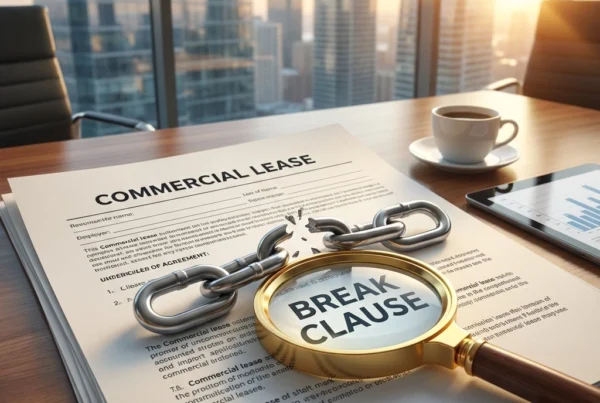
A commercial lease is a legally binding agreement that allows a business to occupy and use property for commercial purposes. Understanding how a commercial lease works is essential before committing to business premises, as the terms can have long-term legal and financial consequences for your business operations.
Commercial leases are fundamentally different from residential leases. They are typically longer, more complex, and offer significantly fewer statutory protections. This complexity is why many businesses seek advice from a commercial property solicitor before signing any agreement.
How Commercial Leases Work
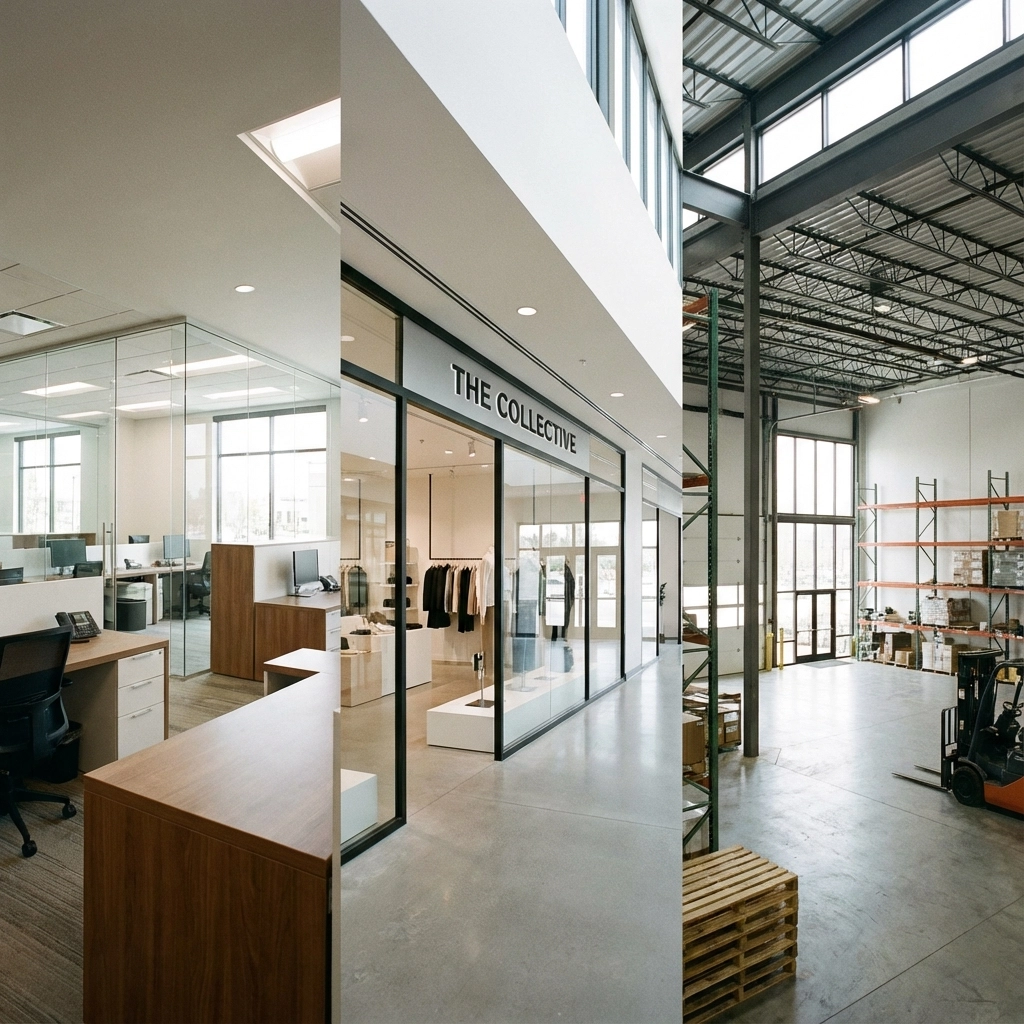
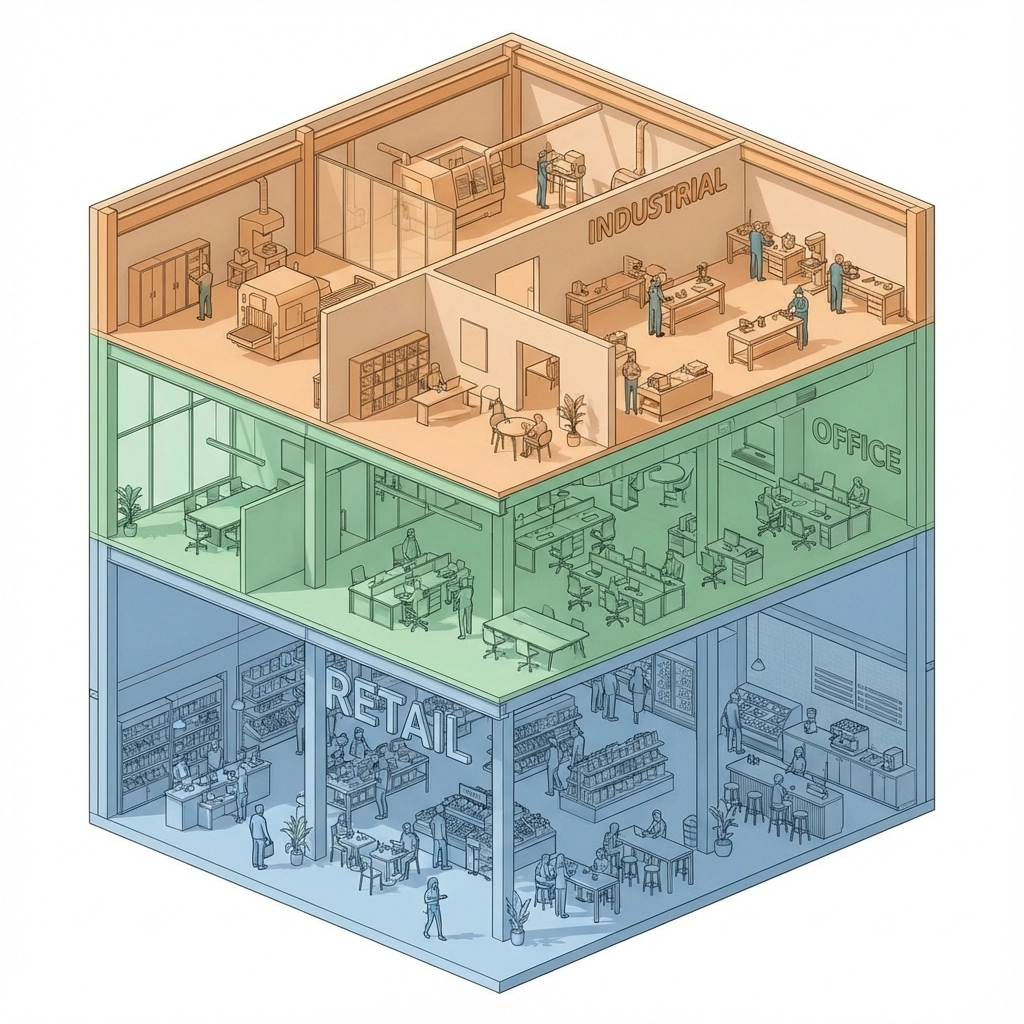
A commercial lease establishes the terms under which a landlord permits a tenant to occupy property for business use. This arrangement can cover various types of premises, including offices, retail shops, warehouses, restaurants, manufacturing facilities, or industrial units.
The lease document serves as the foundation for the landlord-tenant relationship and will typically address several critical areas:
Lease duration and renewal rights determine how long your business can occupy the premises and whether you have options to extend the agreement.
Rent and rent review provisions establish not only the initial rental amount but also how and when rent may increase during the lease term.
Repair and maintenance responsibilities clarify who bears the cost and obligation for keeping the property in good condition, from routine maintenance to major structural repairs.
Break clauses and termination rights define the circumstances under which either party can end the lease early.
Assignment and subletting provisions determine your ability to transfer the lease to another party or sublet part of the space.
Service charges and insurance obligations outline additional costs beyond base rent that may be your responsibility.
Unlike residential leases, many aspects of commercial leases are negotiable. What you agree to at the outset can significantly affect your operational costs and business flexibility throughout the lease term.
Types of Commercial Leases
Understanding the different types of commercial lease structures is crucial for budgeting and risk management. Each type allocates costs and responsibilities differently between landlord and tenant.
Full Repairing and Insuring (FRI) Leases place most repair and insurance obligations squarely on the tenant. Under this arrangement, you become responsible for maintaining the property’s condition and ensuring adequate insurance coverage. While this may seem burdensome, FRI leases often come with lower base rents to offset these additional responsibilities.
Internal Repairing Leases limit your repair obligations to the interior of the property. The landlord typically remains responsible for structural elements, external repairs, and common areas. This arrangement can provide more predictable costs for tenants.
Service Charge Arrangements involve the landlord maintaining common areas and building services, with costs passed through to tenants via service charges. These are particularly common in multi-tenant buildings like office blocks or shopping centers.
Gross Leases require you to pay a single rental figure, with the landlord covering most property expenses. While simpler to budget for, gross leases are relatively uncommon in the UK commercial property market.
Contracted Out vs. Protected Leases represent another crucial distinction. Leases “contracted out” of the Landlord and Tenant Act 1954 remove your automatic right to renew the lease when it expires. Protected leases preserve this right, offering greater security of tenure but potentially at higher rents.
Key Terms and Provisions
Commercial leases contain numerous provisions that can significantly impact your business operations and costs. Understanding these terms before signing is essential for making informed decisions.
Rent Review Mechanisms determine how your rental costs may change over time. Common approaches include annual percentage increases, reviews linked to the Retail Price Index, or market rent reviews at specified intervals. Some leases include “upward only” rent review clauses, meaning rent can increase but never decrease, even if market conditions deteriorate.
Use Clauses specify what activities you can conduct on the premises. Restrictive use clauses may prevent you from adapting your business model or could create difficulties if you want to assign the lease to a different type of business.
Alienation Provisions control your ability to assign the lease, sublet space, or share occupation with other parties. Restrictive alienation clauses can limit your exit options and business flexibility.
Break Clauses allow either party to terminate the lease early under specific conditions. However, these clauses often include strict requirements regarding notice periods, rent payments, and property condition that must be satisfied precisely.
Dilapidations and Reinstatement clauses outline your obligations when vacating the property. Some leases require you to return the premises to their original condition, potentially involving significant costs.

Why Location and Lease Length Matter
The duration of your commercial lease affects multiple aspects of your business planning and financial commitments. Common lease terms range from three to twenty-five years, with each length bringing distinct advantages and risks.
Shorter leases typically offer greater flexibility for growing businesses but may come with higher rents and less security of tenure. They allow you to relocate or expand more easily but provide less leverage in negotiations with landlords.
Longer leases often secure more favourable rental rates and provide stability for business planning. However, they limit your ability to respond to changing business needs and may expose you to market rent increases through review clauses.
Break clauses can provide some flexibility within longer leases, but their effectiveness depends entirely on the specific conditions attached. Many break clauses are subject to strict compliance requirements that can make them difficult to exercise in practice.
Your choice of lease length should align with your business growth plans, market position, and financial capabilities. Consider factors like expansion plans, industry trends, and local market conditions when making this decision.
Legal Complexities and Risk Management
Commercial leases rarely follow standard templates. Landlords typically draft agreements to protect their interests, often including terms that may not be immediately apparent to business owners unfamiliar with property law.
Hidden costs can emerge from poorly understood service charge provisions, repair obligations, or insurance requirements. These expenses can significantly exceed your budgeted property costs if not properly reviewed before signing.
Compliance obligations may include health and safety requirements, planning permission restrictions, or environmental regulations that could affect your business operations or expose you to penalties.
Exit strategies become critical if your business circumstances change. Without proper legal advice, you might accept lease terms that make it difficult or expensive to relocate, expand, or wind down operations.

Understanding these complexities is part of the comprehensive legal support provided through Judge Law’s Commercial Law services, which help businesses navigate property commitments alongside other commercial arrangements.
When Professional Advice Becomes Essential
While businesses are not legally required to instruct a solicitor for commercial lease negotiations, doing so provides crucial protection against costly mistakes and oversights.
Professional advice becomes particularly valuable when dealing with:
- First-time commercial property commitments
- Lease terms exceeding three years
- Complex repair or service charge arrangements
- Properties with existing tenants or unusual restrictions
- Leases contracted out of statutory protections
A solicitor experienced in commercial property can review lease terms, explain risks in plain English, and negotiate amendments to better protect your position. This proactive approach often proves far more cost-effective than addressing problems after they arise.
Making Informed Decisions
Commercial leases represent significant long-term commitments that can fundamentally affect your business’s operational flexibility and financial performance. Taking time to understand the agreement before signing protects your interests and supports informed decision-making.
The complexity of commercial property law means that seemingly standard clauses can have unexpected consequences for your business. Professional guidance ensures you understand exactly what you’re agreeing to and how the lease terms align with your business objectives.
Whether you’re expanding into new premises, relocating operations, or securing your first commercial space, understanding commercial lease fundamentals provides the foundation for successful property decisions that support your business growth.