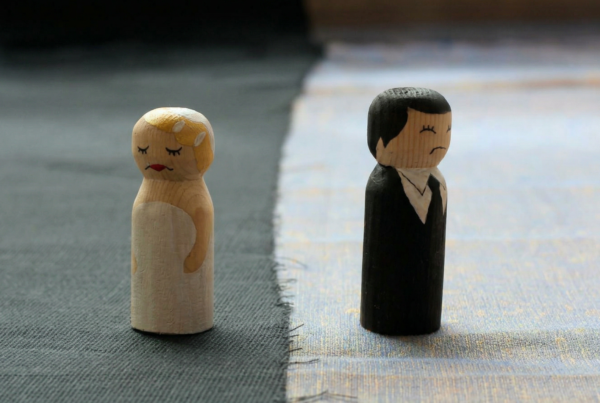
Nobody enters a relationship expecting it to fail. Yet sometimes, despite our best efforts, we find ourselves wondering whether the person we once loved is becoming a stranger. If you’re questioning whether your relationship has run its course, you’re not alone: and recognising the signs early can help you make informed decisions about your future.
Whether you’re married, in a civil partnership, or living together, relationship breakdown signs often follow similar patterns. Here are five key indicators that your relationship might be reaching its end, plus practical and emotional steps you can take to protect yourself and move forward with clarity.
The Five Warning Signs
1. Communication Has Completely Broken Down
Healthy relationships thrive on open, honest communication: even during disagreements. When communication breaks down, it’s not just about having more arguments. Often, it’s the opposite: a deafening silence where important conversations simply don’t happen anymore.
You might notice that you and your partner have stopped discussing problems altogether, preferring to sweep issues under the carpet rather than address them. Alternatively, every conversation might turn confrontational, with neither person willing to listen or find middle ground.

This breakdown often manifests as:
- Avoiding difficult conversations about money, future plans, or relationship issues
- Feeling like you’re walking on eggshells around each other
- Aggressive or dismissive responses when trying to discuss problems
- Complete lack of meaningful dialogue about day-to-day life
When communication dies, the relationship often follows. If attempts to re-establish healthy dialogue consistently fail, it may signal that both parties have mentally checked out.
2. The Emotional Connection Has Disappeared
Emotional intimacy is the foundation of any strong relationship. When that connection vanishes, you’re left feeling more like housemates than partners. This emotional disconnection goes beyond temporary rough patches: it’s a sustained absence of warmth, vulnerability, and genuine care for each other’s wellbeing.
Signs of lost emotional connection include:
- No longer confiding in each other about hopes, fears, or daily experiences
- Feeling indifferent about your partner’s achievements or struggles
- Loss of inside jokes, playful banter, or shared moments of joy
- Inability to offer or receive comfort during difficult times
This emotional withdrawal often happens gradually, making it difficult to pinpoint exactly when things changed. However, once this bond is severed, rebuilding it requires commitment from both partners: something that may no longer be possible if the relationship has deteriorated too far.
3. Physical and Emotional Intimacy Have Vanished
While physical intimacy naturally fluctuates in long-term relationships, a complete absence of affection signals deeper problems. This isn’t just about sexual intimacy: it encompasses all forms of physical closeness and emotional vulnerability.

You might notice:
- No spontaneous hugs, kisses, or casual touches throughout the day
- Sleeping in separate beds by choice, not necessity
- Feeling uncomfortable with physical closeness
- Loss of emotional intimacy alongside physical distance
When both physical and emotional intimacy disappear simultaneously, it often indicates that one or both partners have begun to disengage from the relationship entirely.
4. Your Future Visions No Longer Align
Couples in healthy relationships naturally discuss future plans together, using “we” language when talking about holidays, career moves, or life goals. When a relationship is ending, these conversations shift dramatically.
Warning signs include:
- Your partner makes major life decisions without consulting you
- Future plans are discussed in terms of “I” rather than “we”
- You have fundamentally different ideas about where you want to live, whether to have children, or how to spend money
- Neither person can envision a shared future together
Sometimes these differences were always present but overlooked during the honeymoon phase. Other times, people simply grow in different directions over time. Either way, when your life paths no longer converge, maintaining a relationship becomes increasingly difficult.
5. Trust Has Eroded or Emotional Withdrawal Is Obvious
Trust forms the bedrock of any relationship, and once it’s broken: whether through infidelity, financial deception, or repeated broken promises: it’s extremely difficult to rebuild. Even without dramatic betrayals, trust can erode gradually through smaller disappointments and unmet expectations.

Emotional withdrawal often accompanies trust issues, manifesting as:
- Your partner showing no curiosity about your thoughts, feelings, or daily experiences
- Acting like roommates rather than romantic partners
- Lack of interest in resolving conflicts or working through problems
- One person mentally “checking out” of the relationship while still physically present
When trust disappears and emotional withdrawal sets in, the relationship often becomes unsustainable for both parties.
What To Do Next: Emotional Steps
Recognising these signs can feel overwhelming, but taking thoughtful action: both emotionally and practically: can help you navigate this difficult period with greater clarity and confidence.
Give Yourself Time to Process
Before making any major decisions, allow yourself space to process your feelings. This might involve:
- Journaling about your relationship concerns and feelings
- Speaking with trusted friends or family members (while maintaining appropriate privacy)
- Considering couples counselling to explore whether the relationship can be saved
- Taking time apart to gain perspective on your situation
Prioritise Your Emotional Wellbeing
Relationship breakdown can be emotionally exhausting. Focus on maintaining your mental health through:
- Continuing hobbies and interests that bring you joy
- Maintaining social connections outside your relationship
- Seeking professional counselling or therapy if you’re struggling to cope
- Establishing healthy daily routines that support your wellbeing
Consider Professional Relationship Support
Sometimes an objective third party can help identify whether relationship issues are resolvable. Couples therapy or relationship counselling can provide valuable insights, even if the ultimate decision is to separate.
What To Do Next: Practical Steps
While addressing the emotional aspects of relationship breakdown, it’s also important to protect yourself practically and understand your legal position.
Document Important Information
If you’re concerned about your relationship’s future, start gathering important documents and information:
- Financial records, including bank statements, pension information, and property deeds
- Information about joint debts and assets
- Details about children’s arrangements and schooling
- Important personal documents like passports and insurance policies
This preparation isn’t about planning for the worst: it’s about ensuring you understand your situation and can make informed decisions about your future.

Understand Your Legal Position
Whether you’re married, in a civil partnership, or cohabiting, your legal rights vary significantly. Understanding these differences can help you make informed decisions about:
- Property ownership and financial responsibilities
- Arrangements for children
- Potential financial support obligations
- The legal process for separation or divorce
Seek Early Legal Advice
Many people delay seeking legal advice until their relationship has completely broken down, but early consultation can actually be more beneficial. A family law solicitor can help you understand:
- Your rights and obligations in your specific situation
- Options for separation that might preserve some relationship dynamics (particularly important when children are involved)
- Financial implications of different separation approaches
- How to protect your interests while exploring reconciliation
How Judge Law Can Support You
At Judge Law, we understand that relationship difficulties are among life’s most challenging experiences. Our family law team provides compassionate, practical guidance to help you navigate this uncertain time with confidence.
Our approach focuses on:
- Early intervention: We believe that understanding your legal position early can help you make better decisions for your future
- Tailored advice: Every relationship is different, and we provide personalised guidance based on your specific circumstances
- Sensitive support: We recognise the emotional difficulty of relationship breakdown and provide reassuring, professional guidance throughout the process
When to Contact a Family Solicitor
Consider speaking with a family law solicitor if:
- You’re unsure about your legal rights in your current relationship structure
- You need guidance on protecting your financial interests
- Children are involved and you want to understand potential arrangements
- You’re considering separation but want to explore all options first
- Your relationship has already ended and you need support with practical arrangements
Taking the Next Step
Recognising relationship breakdown signs is the first step toward making informed decisions about your future. Whether your relationship can be saved through counselling and renewed commitment, or whether it’s time to separate, understanding your position: both emotionally and legally: will help you move forward with greater confidence.

Remember that seeking legal advice doesn’t mean you’re giving up on your relationship. Instead, it’s about ensuring you understand all your options and can make decisions that protect your wellbeing and that of any children involved.
If you’re experiencing these relationship breakdown signs and would like to understand your legal position, our expert family law team at Judge Law is here to provide the guidance and support you need. Contact us today for a confidential consultation to discuss your situation and explore your options moving forward.