
When you’re going through a divorce, your pension might be one of your most valuable assets: and understanding what you’re entitled to can feel overwhelming. The good news is that English divorce law provides clear frameworks for dealing with pensions, though the specifics depend on your circumstances.
Whether you’re worried about losing your own pension or wondering if you’re entitled to a share of your spouse’s, this guide breaks down everything you need to know about pensions in divorce proceedings.
How Are Pensions Treated in Divorce?
Pensions are generally considered matrimonial assets, which means they’re part of the financial pot that gets divided when you divorce. This applies to workplace pensions, personal pensions, and additional state pensions: though not the basic state pension.
The court’s approach follows the same principles as other financial assets in divorce, considering factors like the length of your marriage, your respective needs, and what’s fair in your specific situation.
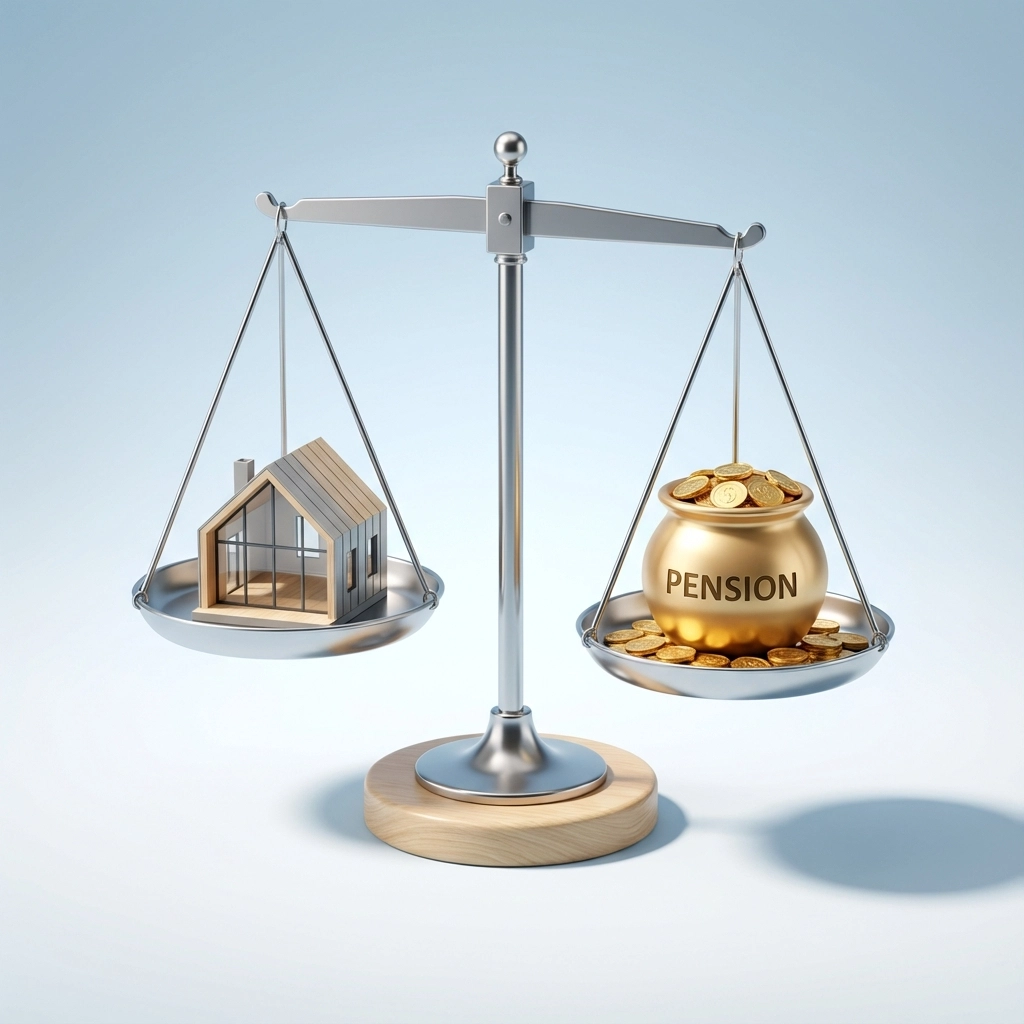
The Three Main Options for Pension Division
When dealing with pensions in divorce, you have three main routes:
Pension Sharing
This is the most common approach and often considered the “cleanest” option. A percentage of one spouse’s pension is transferred permanently to the other spouse, who then has their own pension pot to manage independently.
The key advantages of pension sharing include:
- Complete separation of financial ties
- You control your own pension destiny
- Both parties can make their own retirement decisions
- Protection if your ex-spouse dies before retirement
Pension Attachment (Earmarking)
Less common nowadays, this involves earmarking part of the pension benefits to be paid to the other spouse when the pension holder retires. The pension stays with the original owner, but they’re required to pay a portion to their ex-spouse.
The downsides are significant:
- You remain financially connected to your ex-spouse
- Payments stop if your ex-spouse dies
- No control over when benefits start
- Vulnerable to changes in your ex-spouse’s circumstances
Offsetting
This approach values the pension and offsets it against other assets. For example, one spouse might keep their full pension while the other gets a larger share of the family home or savings.
Offsetting works well when:
- There are sufficient other assets to balance against
- One spouse values immediate access to assets over future pension income
- Both parties want a clean financial break
How Are Pensions Valued?
Getting an accurate pension valuation is crucial for fair division. Different types of pensions require different approaches:
Defined Contribution Pensions (money purchase schemes) are relatively straightforward: the value is the cash equivalent transfer value (CETV), which is the amount that would be transferred if you moved your pension to another provider.
Defined Benefit Pensions (final salary schemes) are more complex. The CETV might not reflect the true value of guaranteed income for life, especially for younger members. Courts sometimes need expert evidence to determine fair division.
State Pensions add another layer of complexity. While you can’t share the basic state pension, additional state pension benefits can potentially be shared.
The court will also consider when pension benefits were built up. Money contributed before marriage or after separation might be treated differently from contributions made during the marriage.
What Factors Determine Your Entitlement?
The court applies Section 25 factors from the Matrimonial Causes Act 1973 when deciding pension division, just as with other divorce entitlements. These include:
Length of Marriage: Longer marriages typically result in more equal sharing of pensions, while shorter marriages might see less extensive sharing.
Age of Both Parties: If one spouse is much closer to retirement, this affects the practical value of pension sharing.
Financial Needs and Resources: Your respective incomes, earning capacity, and other financial resources all matter.
Standard of Living: The lifestyle you enjoyed during marriage provides a benchmark for future needs.
Contributions to Family Life: Both financial contributions and homemaking/childcare contributions are valued equally.
Physical or Mental Disability: Any disability affecting earning capacity or creating additional needs is considered.
Conduct: Only considered in extreme cases where it would be inequitable to ignore it.
Practical Steps When Dealing with Pensions in Divorce
1. Get Full Disclosure
Both parties must provide complete information about all pension arrangements. This includes:
- Current pension statements
- Annual benefit statements
- Details of any additional voluntary contributions
- Information about death benefits
- State pension forecasts
2. Obtain Professional Valuations
For defined benefit schemes or complex arrangements, you’ll likely need an actuary’s report. This provides expert analysis of the real value and helps ensure fair division.
3. Consider Your Long-Term Needs
Think about your retirement goals and financial security. A larger pension share might be worth more than immediate cash, depending on your age and circumstances.
4. Understand Tax Implications
Pension transfers and sharing can have tax consequences. Make sure you understand these before making decisions.
5. Get Legal Advice Early
Pension division is complex, and mistakes can be costly. Getting expert legal guidance early in the process helps protect your interests.
Special Considerations for Different Pension Types
NHS Pensions and other public sector schemes have specific rules and procedures. They often include valuable death benefits and inflation protection that make them particularly valuable.
Self-Invested Personal Pensions (SIPPs) might contain diverse investments including property or business assets, requiring specialist valuation.
Overseas Pensions add complexity around jurisdiction, valuation, and enforcement of orders.
Small Pension Pots might not be worth the cost of division, especially if legal and valuation costs exceed the value.

Common Myths About Pension Division
Myth: “My pension is mine because I earned it”
Reality: Pensions built up during marriage are matrimonial assets, regardless of who earned them.
Myth: “We’ll split everything 50/50”
Reality: Equal division isn’t automatic: the court considers multiple factors to achieve fairness.
Myth: “I’ll lose my pension if we divorce”
Reality: You might share some of your pension, but you’re also likely entitled to share in your spouse’s pension and other assets.
Myth: “Pension sharing is always best”
Reality: The best approach depends on your specific circumstances, ages, and other assets.
What Happens Next?
If you’re facing divorce and have concerns about pension entitlement, the key is getting proper advice based on your specific situation. Every divorce is different, and what works for others might not be right for you.
The court has wide discretion in how it deals with pensions, but understanding the framework and your options puts you in a stronger position to achieve a fair outcome.
Remember that pension decisions made during divorce proceedings will affect your financial security for decades to come. It’s worth investing in proper legal advice to ensure your interests are protected.
Getting Expert Help
Dealing with pensions in divorce requires careful consideration of complex legal and financial factors. At Judge Law, our experienced family law team regularly handles pension division cases and can guide you through the process.
We’ll help you understand your options, ensure full disclosure of pension assets, and work toward a settlement that protects your long-term financial security. Whether you’re concerned about protecting your own pension or ensuring you get a fair share of matrimonial assets, we’re here to help.
Don’t leave your financial future to chance. Contact Judge Law today for expert advice on pension entitlements in divorce proceedings.