Getting a refusal letter from the Home Office is gut-wrenching. You’ve invested time, money, and hope into your UK future: and now you’re facing a wall of legal jargon and tight deadlines.
Here’s the truth: a visa refusal is not always the end of the road. In many cases, you can challenge the decision, but the route you take matters enormously. Choose the wrong remedy, and you’ll waste precious time and legal fees. Get it right, and you could still achieve your immigration goals in 2026.
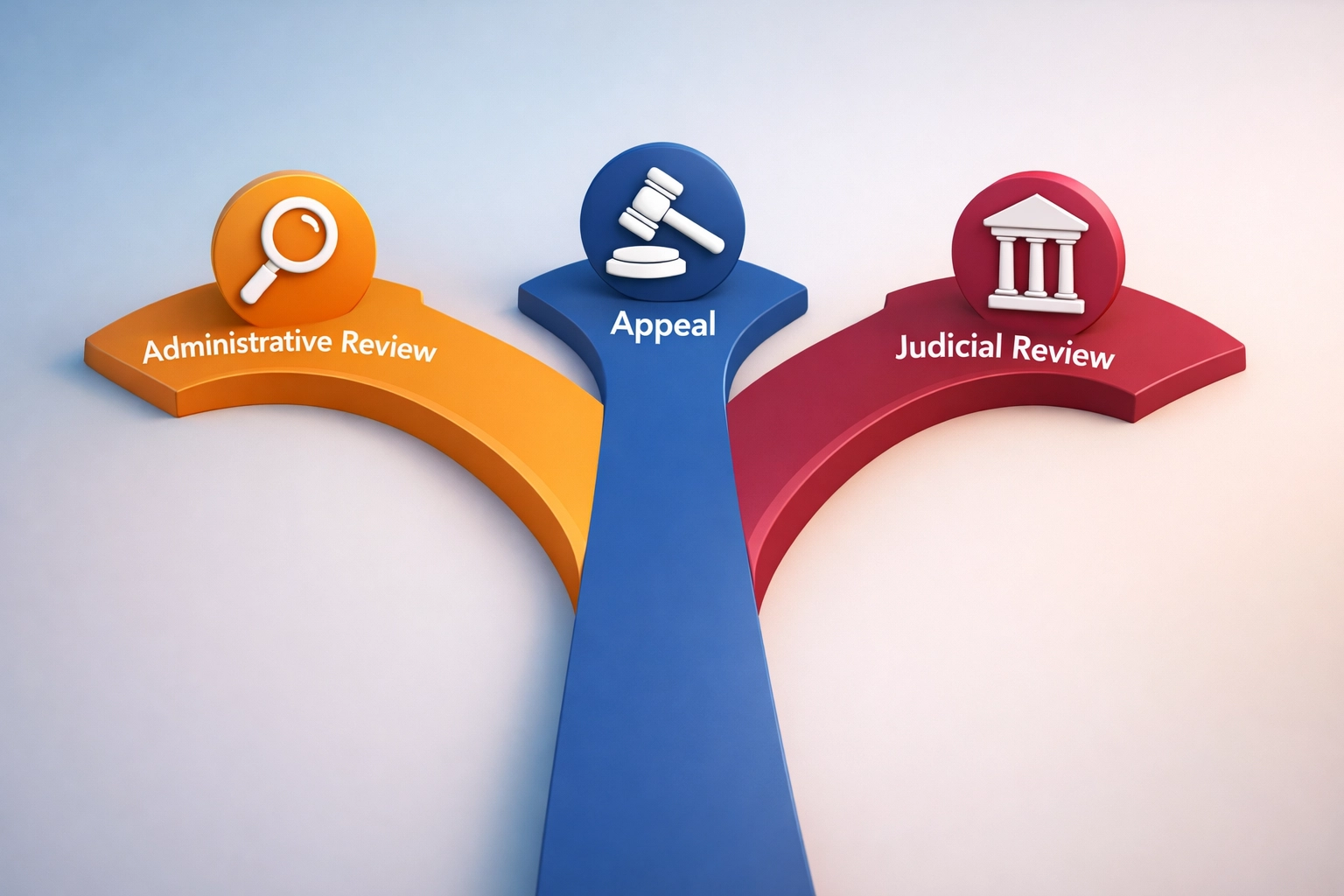
This guide breaks down the three main ways to challenge a UK visa refusal: Administrative Reviews, Appeals, and Judicial Reviews: and, crucially, which one applies to your situation.
The First 24 Hours: Don’t Panic, But Don’t Delay
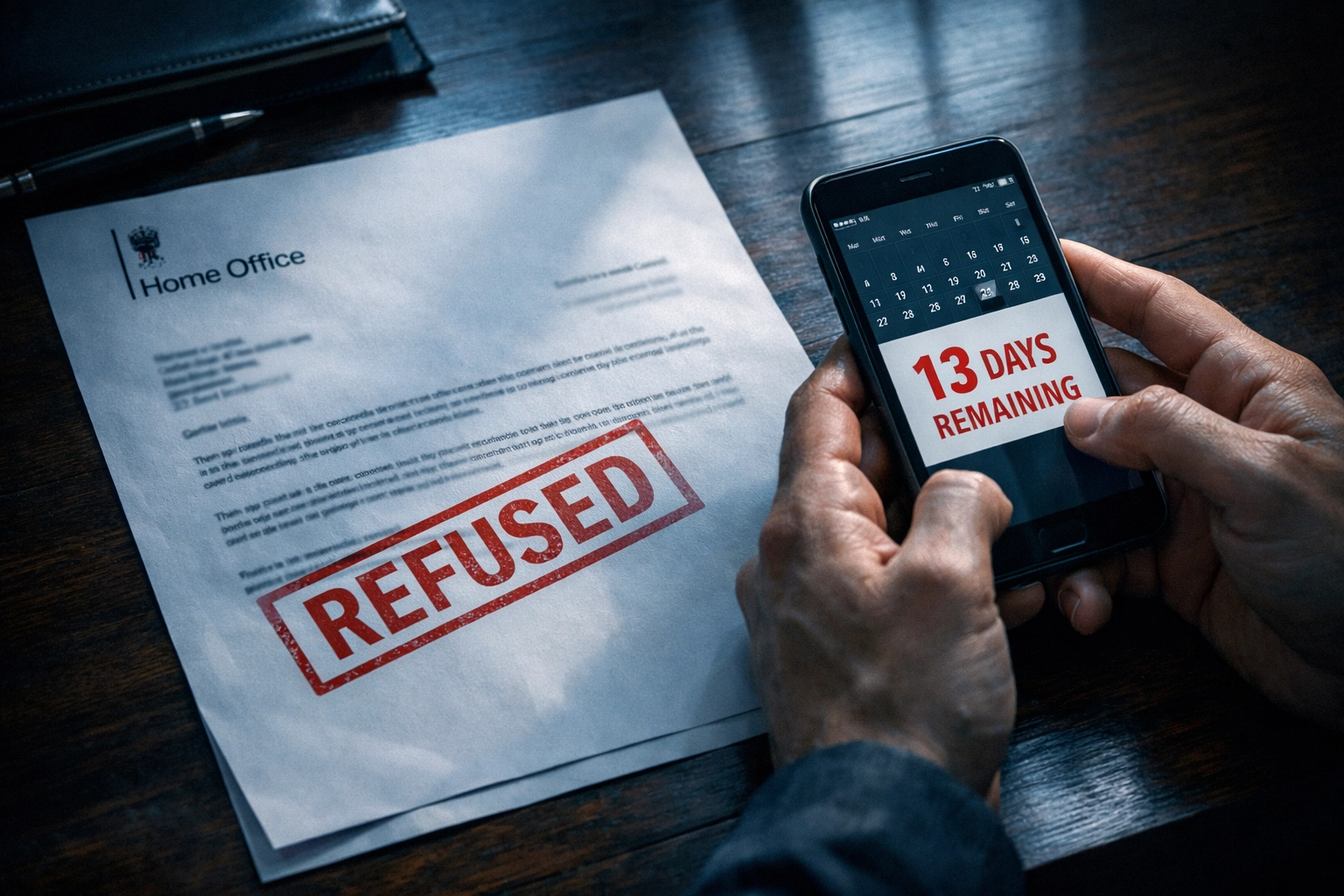
When you receive a refusal letter (whether by post or email), you’re on the clock immediately. The Home Office doesn’t care if you didn’t check your inbox or if the letter arrived on a Friday afternoon. The deadline starts from the date on the refusal notice, not the date you read it.
Here’s what you need to do in the first 24 hours:
- Read the refusal letter in full. Don’t skim it. Every paragraph matters.
- Check for “appeal rights” or “administrative review rights.” This is usually on the first or last page.
- Note the deadline. It will say either 14 days (if you’re in the UK) or 28 days (if you applied from abroad).
- Don’t reapply immediately. A knee-jerk reapplication without addressing the refusal reasons will likely fail again.
If the refusal relates to a work visa and your employer holds a Sponsor Licence compliance issue, that might be the real problem: not your personal application.
The Three Pathways: AR, Appeal, or JR?
Not all refusals can be challenged in the same way. Here’s the critical distinction:
1. Administrative Review (AR): “The Home Office Made a Mistake”
An Administrative Review is not a full appeal. It’s a request for the Home Office to re-examine their own decision to check if they made a case-working error.
When to use it:
- The caseworker miscalculated your income.
- They ignored a document you definitely submitted.
- They applied the wrong immigration rule.
- They misunderstood a key fact (e.g., your employer’s PAYE records).
When NOT to use it:
- You want to submit new evidence that wasn’t in your original application.
- You disagree with their interpretation of the law (that’s an appeal).
- The refusal was based on discretion or “good character” concerns.
The Process:
- Deadline: 14 days (in-UK) or 28 days (out-of-UK).
- Cost: £80 for most visa types.
- Outcome timeline: Usually 28 working days, but it can stretch longer.
- Success rate: Low unless you can point to a clear, documented error.
Important: If your AR is rejected, you cannot then launch an appeal on the same grounds. Choose wisely.
2. Appeal to the Tribunal: “The Decision Was Wrong in Law”
A full appeal is heard by an independent immigration judge at the First-tier Tribunal. This is a proper legal hearing where you (or your solicitor) can present evidence, call witnesses, and cross-examine Home Office representatives.
When to use it:
- Your refusal letter explicitly states you have a “right of appeal.”
- The decision affects your human rights (e.g., separation from a British spouse or child).
- You applied under the EU Settlement Scheme and were refused.
- You’re challenging a deportation or asylum refusal.
When it’s NOT available:
- Most work visa refusals (e.g., Skilled Worker, Global Talent).
- Re-applying for a spouse visa on financial grounds usually doesn’t carry appeal rights unless human rights are engaged.
- Visitor visa refusals.
The Process:
- Deadline: Same as AR: 14 or 28 days.
- Cost: £80 (paper hearing) or £140 (oral hearing).
- Outcome timeline: 6–12 months is typical in 2026 due to tribunal backlogs.
- Success rate: Significantly higher than ARs if you have competent legal representation and strong evidence.
If you received a refusal on a high-value visa like the Global Talent visa refusals, an appeal might be your only realistic shot at overturning the decision, especially if the endorsing body (like Tech Nation) supported your application.
3. Judicial Review (JR): “The Home Office Acted Unlawfully”
Judicial Review is the nuclear option. It’s not about whether the Home Office made the right decision: it’s about whether they made it lawfully.
When to use it:
- The Home Office took an “unreasonably long time” to decide your case, causing you significant harm.
- They failed to follow their own published policy.
- They acted in bad faith or with “procedural impropriety.”
- There’s no other legal remedy available (i.e., no AR or appeal rights).
When NOT to use it:
- You simply disagree with the outcome.
- You have new evidence (JR doesn’t allow fresh evidence: submit a new application instead).
The Process:
- Deadline: You must apply for “pre-action protocol” within 3 months of the decision.
- Cost: Court fees start at £154, but legal costs can run into the thousands.
- Outcome timeline: 6–18 months.
- Success rate: Very low. The courts are extremely reluctant to interfere with Home Office discretion unless there’s a clear legal error.
Reality check: Judicial Review is expensive, slow, and uncertain. Most immigration lawyers will only recommend it as a last resort.
Tactical Advice: How to Maximise Your Chances
Whether you’re pursuing an AR, appeal, or JR, here’s what separates a winning challenge from a wasted effort:
1. Get the Grounds Right
Don’t just say “the decision is unfair.” You need to pinpoint the exact legal or factual error. For example:
- Bad: “I should have been granted the visa because I meet the requirements.”
- Good: “The caseworker applied paragraph 34(f) of the Immigration Rules incorrectly because I provided a valid TB certificate dated within the required 6-month window.”
2. Build a Forensic Evidence File
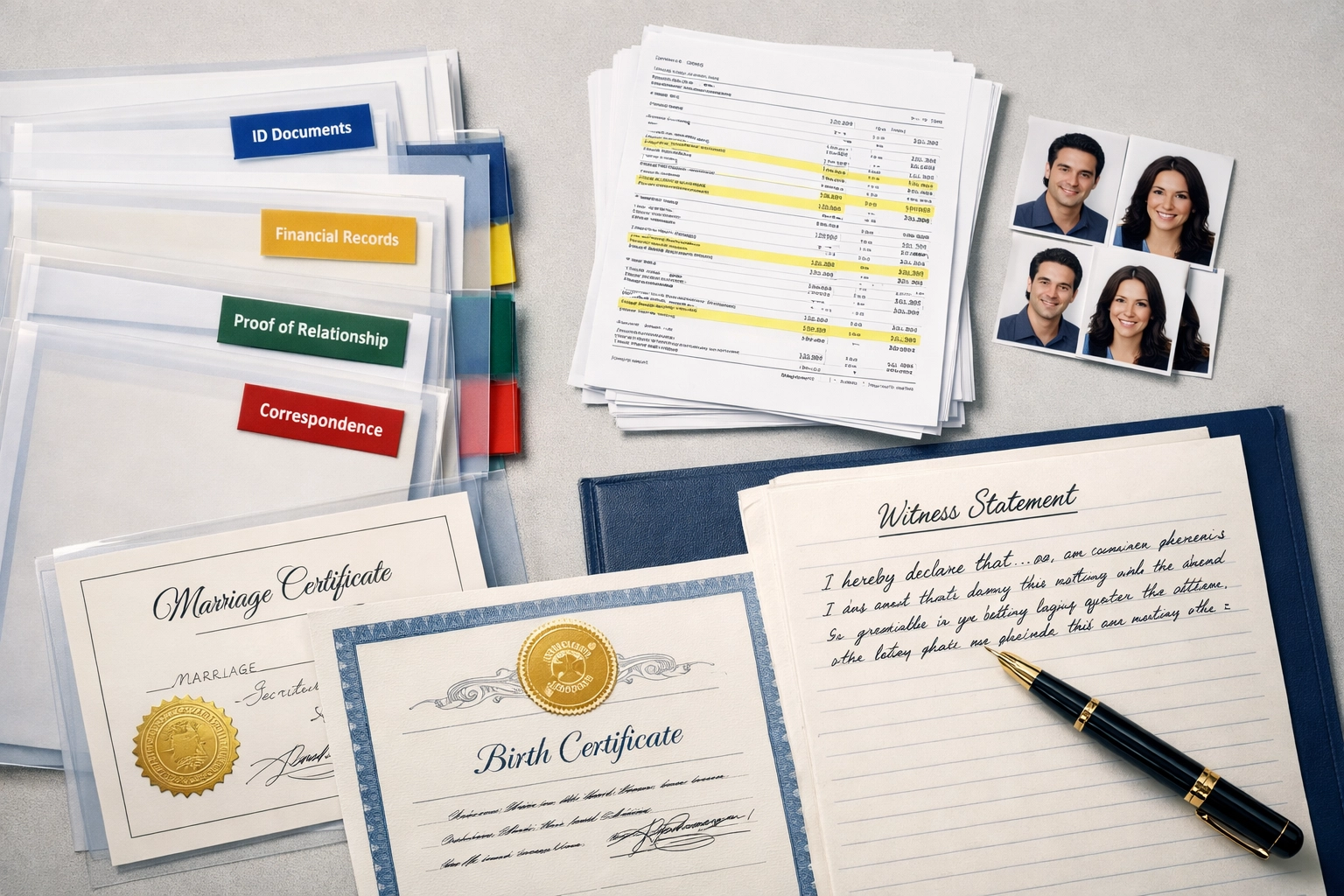
If you’re appealing, treat it like a court case (because it is). Organize your evidence with:
- A paginated and indexed bundle.
- Clear witness statements (signed and dated).
- Expert reports (e.g., country condition reports for asylum cases).
3. Address the Refusal Reasons Head-On
If the Home Office said your finances were “unclear,” don’t just resubmit the same bank statements. Add:
- A cover letter explaining each transaction.
- Payslips with employer confirmation.
- An accountant’s letter if you’re self-employed.
4. Know When to Cut Your Losses
Sometimes, the smartest move is to withdraw and reapply rather than fight a losing battle. For example:
- If you were refused because you genuinely didn’t meet the income threshold, no amount of legal argument will change the maths. Fix the issue and reapply.
- If you’re fighting over a visitor visa refusal, the cost of a JR will likely exceed the value of the visit.
What Happens If You Win?
If your Administrative Review or appeal is successful, the Home Office must reconsider your application. In most cases, this means they’ll grant the visa, but occasionally they’ll issue a fresh refusal on different grounds (which you can challenge again).
If a Judicial Review succeeds, the court will “quash” the decision and send it back to the Home Office with directions to remake it lawfully. This doesn’t guarantee a visa: just a fair process.
What Happens If You Lose?
If you exhaust your appeal or JR options, you typically have three choices:
- Submit a fresh application with stronger evidence.
- Apply for a different visa route (e.g., if a spouse visa failed, consider a 10-year partner route).
- Focus on securing your future through citizenship if you’re already in the UK on another visa.
The Judge Law Approach: Strategic, Not Emotional
At Judge Law, we see visa refusals every week. The clients who succeed are the ones who approach the challenge strategically, not emotionally. We help you:
- Decode the refusal letter to identify the true grounds for challenge.
- Choose the right remedy (AR, appeal, or JR) based on your facts, not hope.
- Build a watertight case with evidence that addresses every concern the Home Office raised.
We work with clients across London and Windsor who need expert immigration assistance to navigate these high-pressure situations. Whether you’re a business owner dealing with a refused Sponsor Licence, a family facing separation, or a high-net-worth individual challenging a refusal on a premium visa, we’ve handled it.
Final Word: Act Fast, Act Smart
A visa refusal is serious, but it’s not necessarily fatal. The worst thing you can do is freeze in panic or rush into the wrong remedy. The best thing you can do? Get expert advice within 48 hours of receiving the refusal letter.
Because in immigration law, deadlines are absolute: and second chances are rare.
Facing a visa refusal? Contact Judge Law today for a confidential strategy session. We’ll review your refusal letter and map out the strongest route forward: whether that’s an Administrative Review, a tribunal appeal, or a fresh application done right.