
There’s something uniquely stressful about building a life with someone you love, only to have a government bureaucracy tell you whether that’s “allowed.” If you’re reading this, you’re likely facing the UK’s spouse or partner visa process: and you’ve probably already discovered that the financial requirements feel like an obstacle course designed to trip you up.
The good news? With the right preparation and specialist immigration advice, couples in Windsor, London, and across the UK are successfully navigating these requirements every day. The key is understanding exactly what the Home Office expects in 2026: and having a strategy that fits your unique circumstances.
The 2026 Financial Landscape: What You Actually Need to Earn
Let’s cut straight to the number that’s probably keeping you awake at night: £29,000 per year. That’s the minimum income requirement for spouse and partner visa applications submitted on or after 11 April 2024, and it remains unchanged for 2026.
Here’s what makes this threshold particularly challenging: unlike previous years, this £29,000 applies regardless of how many dependent children you’re bringing with you. Whether you have one child or four, the bar stays at £29,000. The government’s original proposal to raise this to £38,700 was withdrawn after significant pushback, but the current figure is still £10,400 higher than the pre-2024 requirement.
When Did You Apply? The Timeline Matters
If you’re extending a visa that was originally granted before 11 April 2024, you’re working with a different set of numbers. The old incremental system still applies to you:
- £18,600 for just you and your partner
- £22,400 if you have one dependent child
- £24,800 for two children
- An additional £2,400 for each subsequent child
This creates an unusual situation where some couples renewing their visas in 2026 face a lower threshold than those applying for the first time. It’s worth noting that if you currently fall under the old system, seeking advice before your next renewal can help you plan for any future changes.

Multiple Pathways: It’s Not Just About Salary
One of the most common misconceptions we encounter is that the £29,000 must come from employment income alone. That’s simply not true. The Home Office accepts income from several sources, and you can combine them to meet the threshold.
Employment income is the most straightforward route, whether it’s your partner’s UK salary or: if you’re already in the UK with permission to work: your own income. The key is demonstrating stability through six months of payslips and corresponding bank statements.
Self-employment income is equally valid, though it requires more documentation. You’ll need your most recent SA302 tax calculation from HMRC, the tax year overview, and potentially certified business accounts. If you’ve been self-employed for less than a full tax year, there are specific calculations the Home Office uses based on your average monthly income.
Non-employment income can include dividends from UK-registered companies, pension income, or rental income from UK property. Many couples successfully use a combination of salary and rental income to bridge the gap.
For those whose partners receive certain disability or carer’s benefits, you may not need to meet the £29,000 threshold at all. Instead, you’ll be assessed under an “adequate maintenance” test, which is considerably more flexible.
The Savings Route: When Income Isn’t Enough
If income alone won’t get you over the line, cash savings can be your safety net. The calculation is straightforward but the amount required is substantial: £16,000 + (2.5 × the financial requirement).
For the £29,000 threshold, this means you need £88,500 in cash savings that have been held in a UK-regulated account for at least six consecutive months before your application.
This can feel like an impossible mountain to climb, but there are a few things worth knowing:
The savings can be held by you, your partner, or both of you jointly. They can also come from family gifts, as long as the funds have been in your account for the full six-month period and you can demonstrate their legitimate source.
You cannot use property equity or the value of a business unless you’ve actually sold it and held the proceeds as cash for six months. We’ve seen applicants wrongly assume that owning a valuable property or business shares would satisfy the requirement: it won’t.

The Evidence Battle: What the Home Office Actually Wants to See
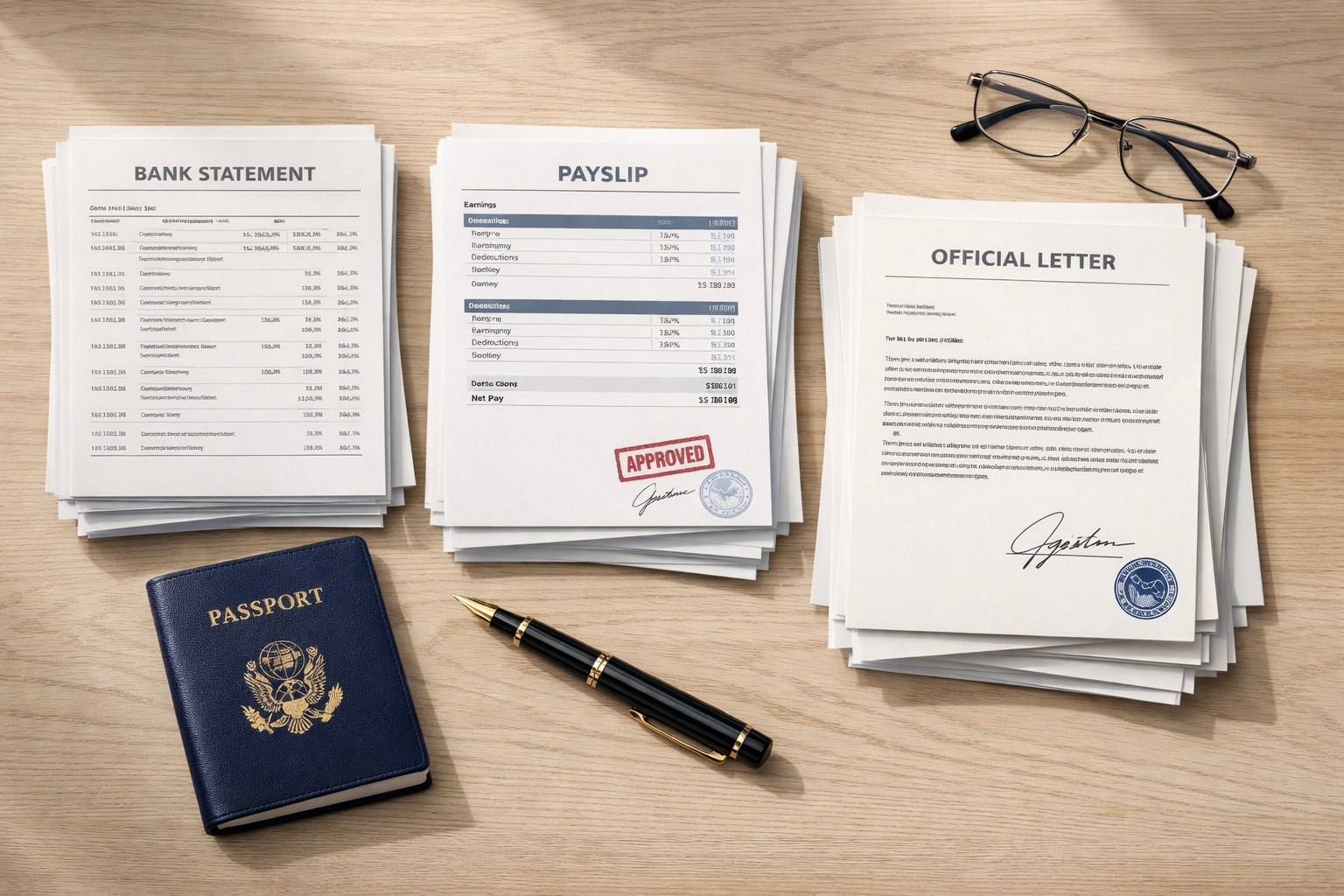
Meeting the financial requirement is only half the challenge. The Home Office is notoriously particular about documentation, and a single missing piece of evidence can result in a refusal: even if you clearly meet the financial threshold.
For employment income, you’ll need:
- Six months of consecutive payslips
- Corresponding bank statements showing the deposits
- An employer letter on company letterhead confirming your position, salary, employment start date, and whether the position is permanent
For self-employment, the requirements are more extensive:
- Your latest SA302 from HMRC (not just a tax return summary)
- The corresponding tax year overview from HMRC
- Business accounts for your last full financial year
- If you’re a sole trader or in a partnership, a letter from your accountant may be required
For savings, you need:
- Six months of consecutive bank statements
- A letter from your bank confirming the account details and average balance
- Evidence of where the funds came from if there are any large deposits during the six-month period
The documentation requirements can feel excessive, but they exist because the Home Office deals with thousands of applications. Clear, comprehensive evidence protects both you and them.
Beyond the Money: Proving Your Relationship
While everyone fixates on the financial requirements: and rightfully so: many applications fail because couples underestimate what’s needed to prove their relationship is genuine.
The Home Office wants to see that you’re in a subsisting relationship with the intention to live together permanently. For married couples, a marriage certificate is just the starting point. For unmarried partners, you’ll need to demonstrate that you’ve been living together in a relationship similar to marriage for at least two years.
Strong evidence includes:
- Joint tenancy agreements or mortgage documents
- Utility bills and council tax bills in both names
- Joint bank statements
- Correspondence addressed to both of you at the same address
- Photos together spanning the course of your relationship
- Travel documents showing trips together
- Letters or messages that demonstrate the nature of your relationship
If you’ve been in a long-distance relationship due to visa restrictions, this becomes more challenging but not impossible. You’ll need to show evidence of regular communication, visits to each other’s countries, and a clear intention to live together once the visa is granted.
Common Pitfalls We See Every Week
In our Windsor and London offices, we’ve helped hundreds of couples through the spouse visa process. The mistakes we see most often are entirely preventable:
Starting the six-month clock too late. If you’re relying on savings, those funds need to be in place for six full months before you apply. Many couples only start saving once they’ve decided to apply, which delays everything by half a year.
Mixing timeframes. Your employment income must be proven from the six months immediately before your application. Your savings must also cover the six months immediately before your application. These need to be the same six-month period.
Insufficient relationship evidence. Don’t assume that being married or having children together is enough. The Home Office wants documentary proof covering your entire relationship timeline.
Not planning for the English language requirement. While this article focuses on financial requirements, don’t forget you’ll also need to prove English language proficiency unless you’re from a majority English-speaking country.
Trying to DIY a complex case. If your income comes from multiple sources, if you’re self-employed, or if there are any complications in your immigration history, the guidance on GOV.UK won’t be sufficient. The application fee alone is over £1,500: too much to risk on guesswork.
When Things Don’t Go to Plan
Even with perfect preparation, some applications are refused. If that happens, you’re not without options. Depending on the reasons for refusal, you may be able to request an administrative review (if there was a caseworker error) or submit a fresh application with additional evidence. In some circumstances, appealing a visa decision through the immigration tribunal may be the right route.
It’s also worth noting that some visa routes may be more appropriate for your circumstances than a spouse visa. If you’re an entrepreneur, you might consider visa routes for business founders instead. If you have an employer willing to sponsor you, employer-sponsored work visas might offer an alternative pathway.
Looking Ahead: The Path to Permanence
Successfully obtaining a spouse visa is the first step in a longer journey. After 5 years on a spouse visa (two and a half years per visa grant), you can apply for Indefinite Leave to Remain. Once you have ILR, you can eventually move toward becoming a British citizen if that’s your goal.
Planning this trajectory from the beginning helps you make strategic decisions. For example, understanding that you’ll need to meet financial requirements again in 2.5 years when renewing your visa can influence career and financial planning decisions you make today.
How We Help Couples Build Their Future Together
At Judge Law, we understand that spouse visa applications aren’t just paperwork: they’re about families, futures, and the right to live with the person you love. Our immigration team works with couples across Windsor and London to build applications that stand up to Home Office scrutiny.
We start by assessing your unique financial situation and creating a clear strategy for meeting the requirements. If your income is borderline, we’ll explore every legitimate avenue: combining income sources, utilizing savings, or even advising on timing strategies if delaying by a few months would strengthen your application.
We also handle all the document preparation, ensuring nothing is missing and everything is presented in the format the Home Office expects. Perhaps most importantly, we’re here if things go wrong, whether that means correcting errors before submission or representing you if your application is refused.
Your Next Steps
If you’re planning a spouse or partner visa application for 2026, the single most important thing you can do is start early. Financial documentation takes time to gather, and the six-month savings requirement can’t be rushed.
Begin by calculating exactly where you stand against the £29,000 threshold. If there’s a gap, decide whether to bridge it through additional income or savings. Start gathering your relationship evidence now, even if you’re months away from applying.
And if any part of this process feels overwhelming or uncertain, don’t navigate it alone. The cost of professional advice is insignificant compared to the cost of a refused application: both financially and emotionally.
Contact our immigration team for a confidential consultation. We’ll assess your circumstances, outline your options, and give you an honest evaluation of your chances. Because everyone deserves the opportunity to build a life with the person they love: and we’re here to make that happen.