Think of a trust deed as the “DNA” of your legal arrangement. It isn’t just a formal-looking piece of paper you sign and file away; it is the living rulebook that dictates how your assets are managed, who gets the money, and: most importantly: how to stop a family argument before it starts.
At Judge Law, we often see what happens when “DIY” drafting goes wrong. Poorly worded deeds lead to ambiguity, and ambiguity is the primary fuel for legal disputes. If you’re drafting a trust deed in the UK, you need to ensure it is robust enough to handle real-world changes over decades.
This article explores the legal essentials of drafting from a solicitor’s perspective in England and Wales.
The Legal Building Blocks of a Trust
A trust is essentially a fiduciary relationship where one party (the settlor) gives another party (the trustee) the right to hold title to property or assets for the benefit of a third party (the beneficiary). To make this relationship legally enforceable, the deed must be built on a solid foundation.
Certainty and Clarity
In English law, for a trust to be valid, it must satisfy what lawyers call the “three certainties”:
- Certainty of Intention: It must be clear that the settlor actually intended to create a trust (not just a gift or a vague suggestion).
- Certainty of Subject Matter: It must be obvious exactly what assets are held in the trust.
- Certainty of Objects: It must be clear who the beneficiaries are.
If any of these are missing or “fuzzy,” the trust could be declared void, meaning the assets might fall back into the settlor’s estate: potentially triggering unexpected tax bills or inheritance issues. Understand trust types before drafting to ensure you pick the right structure for your goals.
Defining Assets and Beneficiaries
One of the biggest traps in drafting a trust deed in the UK is being too vague about who can benefit. While you can name specific people, many modern trusts use a “class” of beneficiaries (e.g., “my children and grandchildren”).
The deed must clearly state how membership in that class is determined. For example, does it include step-children? Does it include future grandchildren not yet born? Getting these definitions right at the start prevents expensive court applications later to “interpret” what the settlor meant.
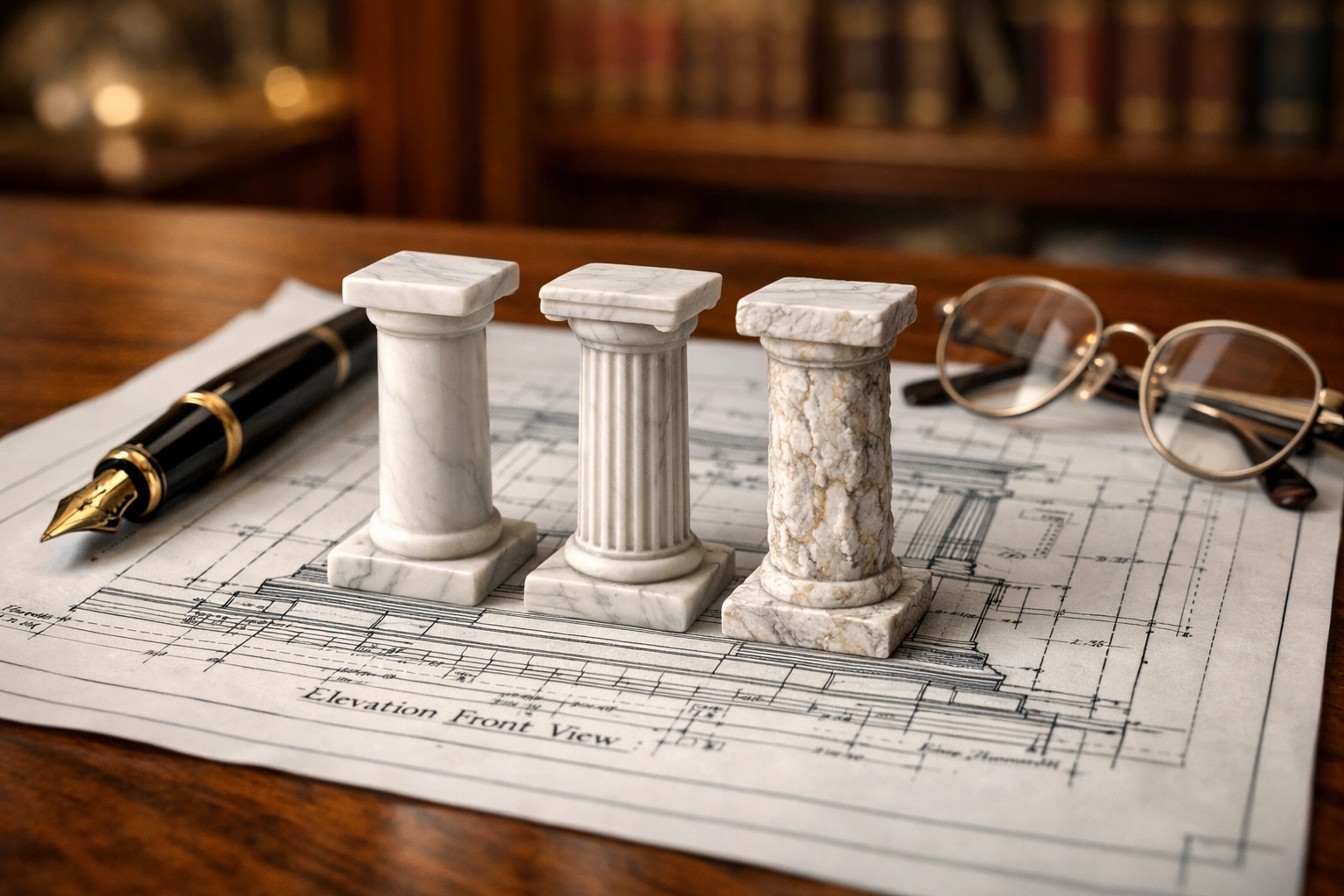
Infographic Concept: A diagram showing the ‘Three Certainties’ (Intention, Subject Matter, and Objects) as the three pillars supporting a Trust Deed structure.
Trustee Powers: Write What Trustees Can Actually Do
Trustees are not mind readers. They can only exercise the powers that are explicitly written into the trust deed or granted by law. If a power isn’t there, they may have to apply to the court to get permission to act: a process that is both slow and expensive.
When we draft a deed, we ensure the trustee powers are broad enough to be practical but structured enough to ensure accountability. Essential clauses usually include:
- Power of Investment: Modern deeds often give trustees wide-ranging powers to invest as if they were the absolute owners, though they remain subject to the Trustee Act 2000 duty of care.
- Power of Advancement: The ability to give a beneficiary a portion of their inheritance early (for example, for a house deposit or university fees).
- Power to Appoint/Remove Trustees: This is crucial for the long-term health of the trust. If a trustee becomes incapacitated or the relationship breaks down, there must be a clear legal path to replace them.
| Clause Type | Purpose | Why it’s Essential |
|---|---|---|
| Investment Clause | Allows trustees to grow the trust fund. | Prevents assets from being eroded by inflation. |
| Power of Maintenance | Allows income to be used for a minor beneficiary’s upbringing. | Ensures the trust can support beneficiaries before they reach adulthood. |
| Delegation Power | Allows trustees to hire professionals (like investment managers). | Essential for complex or high-value trusts. |
Check out our guide on trustee duties and decision-making standards to see how these powers work in practice.
Governance Clauses That Prevent Disputes
The best trust deeds anticipate human nature. Family dynamics change: marriages happen, divorces occur, and siblings fall out. Governance clauses act as the “peacekeeping” portion of the document.
A well-drafted deed should answer these questions:
- How are decisions made? Must all trustees agree (unanimous), or is a majority enough?
- What happens in a deadlock? If two trustees disagree, who has the casting vote?
- How is conflict handled? We often include disclosure and abstention rules for when a trustee has a personal conflict of interest.
By setting these ground rules in the deed, you remove the “personal” element from the conflict. The trustees aren’t fighting; they are simply following the rules set out by the settlor.
Letters of Wishes: Useful but Not a Substitute for Drafting
A Letter of Wishes is a common companion to a trust deed. It is a confidential document where the settlor explains how they would like the trustees to use their discretion.
For example, the deed might say: “The trustees may distribute funds to my children at their discretion.” The Letter of Wishes might add: “I would prefer my children to receive funds only after they finish university or reach age 25.”
The Legal Catch: A Letter of Wishes is generally not legally binding. It is guidance. The trust deed is the primary legal document. If there is a conflict between the two, the deed wins every time. Relying on a Letter of Wishes to fix a poorly drafted deed is a recipe for a trust dispute.
Property and Occupation Clauses (Homes)
When a trust holds a family home, the stakes are much higher. This is where we see the most litigation, often involving the Trusts of Land and Appointment of Trustees Act 1996 (TLATA).
If a beneficiary is living in a trust property, the deed needs specific property and occupation clauses:
- Who pays for the insurance and structural repairs?
- Can the trustees force a sale if they need to raise cash for other beneficiaries?
- What happens if a partner moves into the property with the beneficiary?
Vague wording like “the beneficiary may reside in the property” is a litigation trigger. Under TLATA Section 14 and 15, the court has the power to step in and order a sale or resolve disputes, but it’s much better to have the answers clearly defined in your trust deed clauses from day one.
Execution and Implementation: A Deed Isn’t Enough
You can have the most perfectly drafted deed in legal history, but if it isn’t executed correctly, it’s just expensive scrap paper.
In the UK, a trust deed must be executed as a deed, which usually means it must be in writing, signed in the presence of a witness, and “delivered” (formally made effective). If the trust is being created via a Will (a “Will Trust”), it must meet the strict requirements of Section 9 of the Wills Act 1837.
Furthermore, you must actually move the assets into the trust. This means:
- Changing the title at the Land Registry for property.
- Updating share registers for company stocks.
- Moving cash into a designated trustee bank account.
Failing to “fund” the trust correctly is one of the common trust mistakes that can lead to the trust failing before it even begins.
FAQs
What must a trust deed include to be workable?
At a minimum, it needs clearly identified trustees, a defined set of beneficiaries, specific trust property, and a clear list of trustee powers and governance rules.
Do I need to use the word “trust” in the deed?
Not strictly, as long as the intention to create a trust is clear from the language used. However, for the sake of clarity and preventing disputes, it is almost always better to be explicit.
Why do trusts involving a home need special drafting?
Because property involves high emotional and financial value. Drafting must address who maintains the home and how sale decisions are made to avoid court applications under TLATA.
Can I draft a trust deed using an online template?
Templates are risky. They often lack the specific governance and property clauses needed for your unique family situation. Poor drafting significantly increases the risk of the trust being contested or failing.
If a trust is created in a will, what matters most?
The Will itself must be validly executed under the Wills Act 1837. If the Will is invalid, the trust it contains will never come into existence.
How Judge Law Can Help
Drafting a trust is about more than just legal compliance; it’s about providing peace of mind for your family’s future. Whether you are setting up a new structure or need a review of an existing one, our team is here to help.
- Ask a solicitor to draft or review a trust deed before you sign.
- If you already have a trust, request a deed review to reduce dispute risk.
- Learn more about the full trust lifecycle from creation to termination.
Disclaimer: This article provides general legal information only (England & Wales). It does not provide tax or accounting advice. Always consult with a qualified professional before making decisions regarding trusts and estates.