

When facing a civil dispute, understanding what outcomes to expect can help you make informed decisions about your case. Whether you’re considering pursuing a claim or defending against one, knowing the statistics, typical settlement amounts, and the importance of professional legal guidance will put you in a stronger position.
TL;DR
- Only a small proportion of civil claims reach trial; most end through settlement, default judgment or withdrawal.
- Civil claims are decided on the balance of probabilities, a lower standard than in criminal cases.
- Limitation periods are strict: usually three years for personal injury and six years for contract claims.
- Winning parties may recover some legal costs but rarely all of them, and losing parties risk paying the other side’s costs.
- Settlement values vary widely with the type of case, the evidence and the circumstances.
What Are the Possible Outcomes of Civil Litigation?
Civil litigation can conclude in several ways, each with different implications for the parties involved:
Settlement is by far the most common outcome. This involves both parties agreeing to resolve the dispute without going to trial, often through negotiation or mediation. Settlements can occur at any stage of the process, from early discussions to just before trial.
Judgment in favour of the claimant occurs when the court rules that the claimant has proven their case. This typically results in an award of damages, an injunction, or other specific relief.
Judgment in favour of the defendant happens when the court determines that the claimant has failed to prove their case or that the defendant has successfully defended their position.
Default judgment may be awarded when one party fails to respond to court proceedings or participate in the case. This is particularly common in debt recovery cases.
Dismissal can occur for various reasons, including insufficient evidence, no legal basis for the claim, or procedural failures.
Withdrawal or discontinuation happens when the claimant decides to abandon their case, often due to weak evidence, high costs, or changed circumstances.
What Is the Most Likely Outcome for UK Civil Lawsuits?
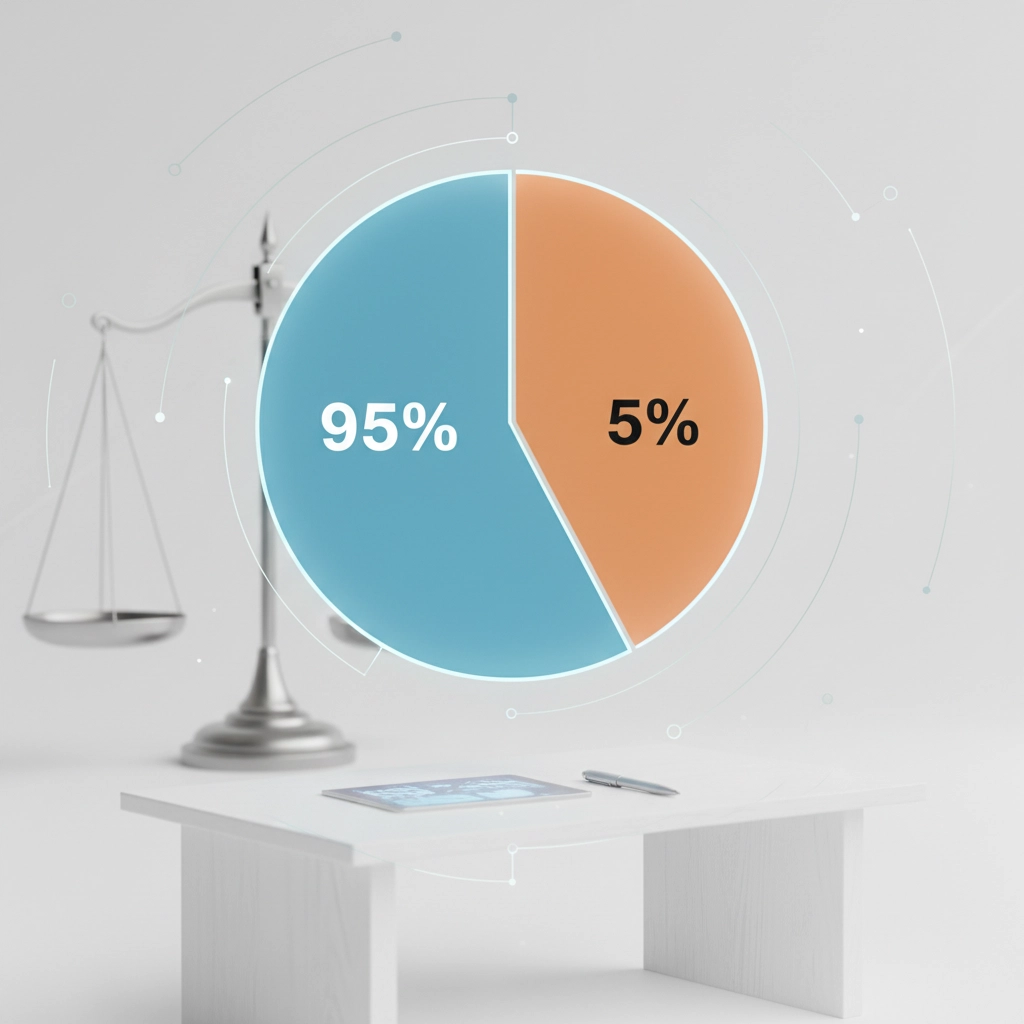
In the UK legal system, settlement is overwhelmingly the most likely outcome. Official statistics show that only a small proportion of civil claims reach trial, and many of the rest are resolved through settlement negotiations.
This high settlement rate exists for several practical reasons. Litigation is expensive, time-consuming, and carries inherent risks for both parties. Even with a strong case, the uncertainty of trial outcomes makes settlement an attractive option. Additionally, UK courts actively encourage settlement through various mechanisms, including Part 36 offers and alternative dispute resolution requirements.
The trend towards settlement has been reinforced by recent changes to civil procedure rules and increased court fees, which make going to trial more expensive than ever. Most solicitors advise clients to seriously consider reasonable settlement offers, as the costs of proceeding to trial can quickly outweigh potential benefits.
What Percentage of Civil Cases Settle in the UK?
Official statistics do not record a single settlement rate, but they do show how few claims reach trial. From July to September 2025 there were about 14,000 County Court trials, compared with 479,000 County Court claims issued in the same quarter. Most other claims end through settlement, default judgment, withdrawal or another resolution before trial.
The small claims track, which generally handles disputes up to £10,000, has limited cost recovery, which often makes a proportionate settlement attractive.
It’s worth noting that many cases settle very early in the process, often before formal court proceedings begin. Others resolve during the pre-trial phase through negotiations, mediation, or early neutral evaluation.
How Does a Civil Lawsuit Affect Claimants and Defendants?
The impact of civil litigation extends beyond the final outcome, affecting both parties throughout the process:
For Claimants:
Potential benefits include recovering compensation for losses, obtaining injunctive relief to stop harmful behaviour, or achieving vindication of their rights. Successful claimants may also recover their legal costs from the losing party.
Potential drawbacks include the stress and time commitment of litigation, the risk of having to pay the other side’s costs if unsuccessful, and the emotional toll of reliving difficult experiences. Even successful claimants rarely recover 100% of their legal costs.
For Defendants:
Risks include having to pay compensation, facing adverse publicity, and bearing significant legal costs. There’s also the disruption to business or personal life that litigation inevitably brings.
Potential benefits of successfully defending include vindication, potential cost recovery, and the deterrent effect on future similar claims.
For Both Parties:
Cases can take many months to resolve. Official figures show that from July to September 2025 the median time from issue to trial was 39 weeks for small claims and 60 weeks for fast track, intermediate track and multi-track claims.
How Hard Is It to Win a Civil Lawsuit?
The difficulty of winning a civil lawsuit depends on several key factors:
Burden of Proof: In civil cases, the standard is “on the balance of probabilities” (more than 50% likely), which is lower than the criminal standard of “beyond reasonable doubt.” This makes civil cases generally easier to prove than criminal ones.
Strength of Evidence: Cases with clear documentary evidence, reliable witnesses, and expert testimony are more likely to succeed. Weak or contradictory evidence makes success much harder.
Legal Merit: Cases must have a solid legal foundation. Even with good evidence, claims without proper legal basis will fail.
Timely Action: Limitation periods are strict in the UK. Most personal injury claims must be brought within three years, while contract claims have a six-year limit.
Quality of Legal Representation: Professional legal advice significantly improves success rates. Legal advice can help you assess the merits of your case, gather the right evidence and follow the court rules correctly.
Success rates vary by case type, but well-prepared cases with strong evidence generally have better prospects, whether through settlement or at trial.
Settlement Payouts: What Affects the Amount
Settlement amounts vary widely with the type of claim, the losses involved, the strength of the evidence and the specific circumstances, so there is no reliable “typical” figure. In contract and commercial disputes, settlements usually reflect the financial losses involved, which can range from hundreds of pounds to millions in high-value cases. Some types of claim also have their own rules on how compensation is calculated, so it is worth taking advice on how they apply to your situation.
Frequently asked questions
How many civil cases settle before trial?
Only a small proportion reach trial. From July to September 2025 there were about 14,000 County Court trials against 479,000 claims issued; most other claims end through settlement, default judgment or withdrawal, and many settle early, sometimes before formal court proceedings begin.
What standard of proof applies in a civil claim?
Civil claims are decided on the balance of probabilities, meaning more than 50% likely. This is lower than the criminal standard of beyond reasonable doubt.
How long do I have to bring a civil claim?
Limitation periods are strict. Most personal injury claims must be brought within three years, while contract claims have a six-year limit.
If I win, will I get all my legal costs back?
Successful parties may recover some of their legal costs from the losing party, but rarely 100% of them. If your claim is unsuccessful, you risk having to pay the other side’s costs.
How long does a civil case take?
Official figures show that from July to September 2025 the median time from issue to trial was 39 weeks for small claims and 60 weeks for fast track, intermediate track and multi-track claims.
What is a default judgment?
A default judgment may be awarded when one party fails to respond to court proceedings or take part in the case. It is particularly common in debt recovery cases.
Why Legal Advice from Judge Law Is Essential
Navigating civil litigation successfully requires far more than understanding basic legal principles. The complexity of modern civil procedure, the risks involved, and the potential for significant financial consequences make professional legal guidance not just helpful, but essential.
Maximising Your Settlement: Professional solicitors understand case valuation, negotiation strategies, and when to accept or reject offers.
Risk Management: Experienced legal professionals help you understand the risks involved, including potential liability for the other side’s costs. This knowledge is crucial for making informed decisions about whether to proceed, settle, or defend.
Procedural Compliance: UK civil procedure rules are complex and strictly enforced. Missing deadlines or failing to follow proper procedures can result in your case being struck out, regardless of its merits.
Evidence and Expert Support: Successful cases require proper evidence gathering, witness statements, and often expert testimony. Professional legal teams have the resources and experience to build compelling cases.
At Judge Law, our experienced civil litigation team acts for clients across Windsor, London, and surrounding areas. We understand that every case is unique and requires a tailored approach combining legal expertise with commercial awareness.
Whether you’re facing a contract dispute, property issue, or employment matter, our team provides the support you need.
We offer transparent fee arrangements, clear communication throughout the process, and honest assessments of your case prospects. Our goal is not just to win cases, but to achieve the best possible outcome for each client’s specific situation.
Take Action: Protect Your Rights
Don’t navigate the complexities of civil litigation alone. Whether you’re considering pursuing a claim or defending against one, early legal advice can make the difference between success and failure.
Judge Law’s civil litigation team is ready to provide you with a confidential consultation to assess your case, explain your options, and guide you towards the best possible outcome. With offices serving Windsor, London, and the surrounding areas, we’re well placed to provide the local knowledge and personal service you deserve.
Contact Judge Law today for civil litigation support. Your rights matter, and we’re here to protect them.